How to Spot a Counterfeit Coin (What to Actually Look For)
The more a coin is worth, the more likely someone's faking it. Counterfeiters target exactly the rare, high-value coins collectors most want — so the habit of checking before you buy is one of the most valuable skills in the hobby. Most fakes give themselves away if you know where to look.
You don't need a lab. A few simple checks catch the majority of fakes, and knowing them changes how confidently you buy.
Compare against a known-genuine coin
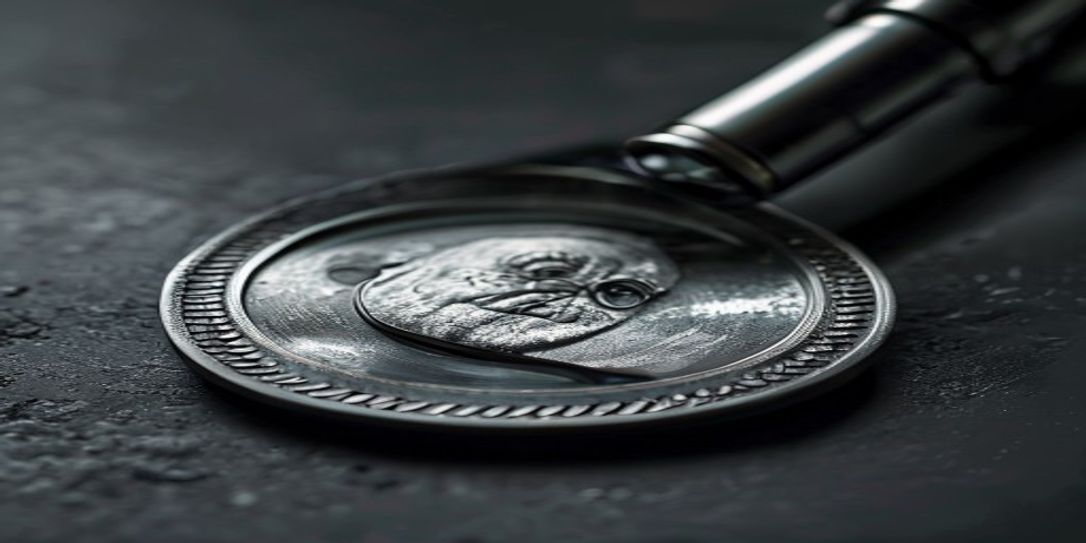
The single best test: put the suspect coin next to a genuine one of the same type and date. Counterfeits almost always differ somewhere — a slightly soft strike, mushy details, wrong font on the date, or altered markings. Under a jewelers loupe those differences jump out fast. Cast fakes often show faint die marks or cracking from the molds, which a genuine struck coin won't have.
Check the edge (the "reeding")
On any coin worth more than a few cents, look at the thin ridges around the outer edge — collectors call this "reeding." On a genuine coin the edge is thin and the ridges are even, sharp and consistent all the way around. On many fakes the edge is too thick, and the reeding is uneven, blurry, or missing in spots. It's one of the easiest tells.
Weigh it and measure it
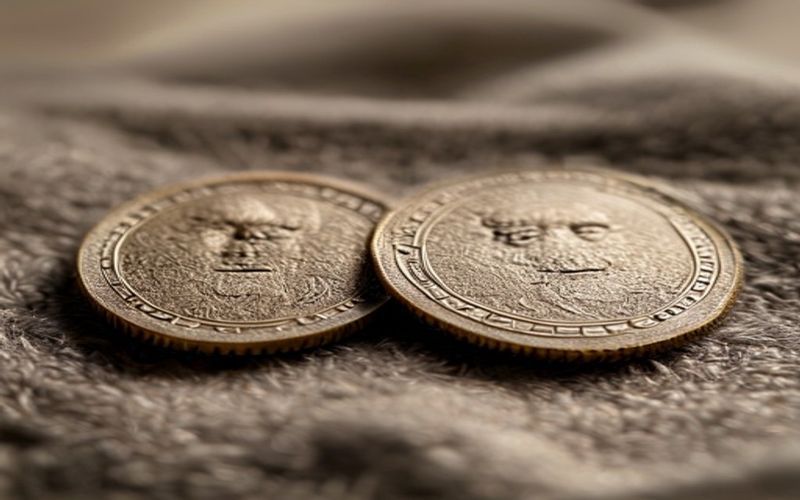
Genuine coins are made to precise specs. A cheap digital coin scale (accurate to 0.01g) and a pair of digital calipers let you check weight and diameter against the official numbers in a reference. The wrong metal or a slightly-off weight is a dead giveaway, and these two tools cost less than a single decent coin.
Know the difference between fake and "not what you think"
Not every odd coin is a criminal counterfeit. A restrike is an authentic coin struck later from original dies. A replica is a legal copy, usually marked "COPY" for museums and education. Genuine forgery is the one made to deceive for profit — that's what you're guarding against. Knowing the categories keeps you from panicking over a harmless replica.
What I'd skip
Skip buying high-value coins "raw" (ungraded) from sellers you don't trust — for anything expensive, insist on coins authenticated by a major grading service. Skip relying on gut feeling alone on a big purchase; the tools are cheap and certainty is worth it. And if you're ever handed a suspected counterfeit in change, don't return it to the person — note their details and report it.

The honest answer
A loupe, a precise scale, calipers, and a genuine coin to compare against will catch most fakes before they cost you. For the truly valuable pieces, let a professional grading service do the authenticating. The collectors who get burned are almost always the ones who skipped the five-minute check.
Ready to shop? Compare digital coin scale across stores →