
How to Detect Counterfeit Coins Before You Buy

Nobody bothers counterfeiting a worn 1980s quarter. They counterfeit the coins that are worth real money, which means the better your collection gets, the more you become a target. That's not a reason to be paranoid — it's a reason to learn a few simple checks.
Most cast counterfeits are made by pouring molten metal into molds taken from a genuine coin. That process leaves tells: faint seams or die-like cracks along the edges, soft or mushy details, and weight that's off because the counterfeiter used the wrong alloy. Struck fakes are harder to catch, but casting is still common because it's cheap, and cheap is the whole point of the crime.
The compare-and-contrast method
The single most useful technique costs nothing: get a known-genuine example of the same coin and put the two side by side. Counterfeiters frequently alter dates and mintmarks — adding, removing, or reshaping a digit to turn a common coin into a rare one — so compare the date and mintmark closely against a coin you trust. A good magnifying loupe under a bright coin inspection lamp will show you tooling marks, a re-engraved digit, or a mintmark that sits slightly wrong. Keep a few common-date reference coins in a coin collecting album precisely for this kind of comparison.
Read the edge
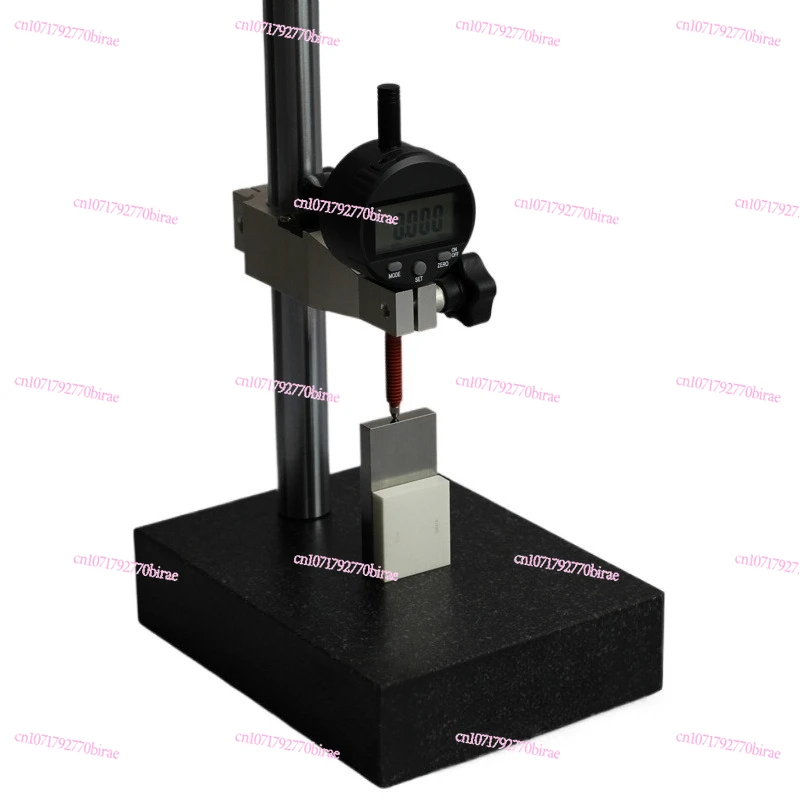
For coins above five cents, the edge is your friend. Most carry "reeding" — those fine vertical railings around the rim. On a genuine coin the reeding is even, crisp, and consistent all the way around. On a counterfeit, the edges are often too thick or too thin, and the reeding goes uneven, mushy, or disappears entirely in spots. Spin the coin slowly and run your eye along the rim; irregular reeding is one of the easiest fakes to catch. A digital coin scale and a set of coin calipers back this up — wrong weight or diameter is a fast, objective red flag that no amount of clever surface work can hide.

Know the vocabulary
Not everything that isn't "original" is a crime, and the terms matter:
- Restrike — a coin struck later from original or matching dies, sometimes officially. It can be authentic in its own right even though it's not from the first run.
- Imitation/derivative issues — historically, one nation copied another's coinage and circulated it legally. Old "copies" like this aren't forgeries in the criminal sense.
- Forgery — made to deceive for profit, full stop. This is the one you're guarding against, and governments have even used it as wartime propaganda, mass-producing enemy banknotes to destabilize economies.
- Replica — a faithful copy, often legitimately stamped "COPY" on the surface for museum and teaching use. Replicas only become a problem when someone files that word off.
Ancient and high-value collectible coins are where forgers concentrate their effort, because that's where the margins are. Organized counterfeiting rings have fooled museums and serious collectors, so the older and rarer the coin, the more skepticism it deserves. Store anything genuinely valuable in a graded coin slab holder or sealed coin capsule once you've verified it, so the authenticated piece can't be quietly swapped.
If you think you've got a fake
For collectible fakes, the move is simple: don't buy, and walk. But if you suspect a counterfeit was passed to you as spendable money, the rules change. Don't hand it back. If you can, note the person's appearance, clothing, any companion, and a vehicle's plate, then contact local police or the Secret Service, which handles counterfeit U.S. currency. Passing a known fake makes you part of the chain, so document it rather than re-circulate it.

The honest bottom line: a non-expert can usually catch the wrong metal, a bad edge, or a mismatched weight, and that's most casual fakes right there. But for expensive coins, get a second opinion before money changes hands. Build a small toolkit — loupe, scale, calipers — keep reference coins handy in coin flips, and when a deal feels too good, remember that's exactly the price point counterfeiters are aiming for. A current numismatic reference book with known specs for each issue is worth more than any gadget here.
Ready to shop? Compare graded coin slab holder across stores →