
Buying Bullion Coins: A Practical Beginner's Guide

Bullion coins sit in a funny spot — part collectible, part commodity, part gift. Before you buy your first one, it helps to be clear about which of those three you're actually after, because it changes what you should pay and where you should buy.
"Bullion" coins are valued mainly for their precious-metal content rather than rarity, though the line blurs when a coin is also scarce, historically significant, or recovered from something dramatic like a shipwreck. People buy them as a metals hedge, as collectibles, and as keepsakes — a bar or coin engraved with a meaningful date makes a genuinely thoughtful gift. Just don't confuse the keepsake value with the metal value; they're different ledgers.
Silver: the accessible entry point
Silver is where most people start, because the buy-in is low and the selection is huge. The Silver Maple Leaf from the Royal Canadian Mint and the American Silver Eagle are the household names, often sold sealed or in dealer rolls, and they're easy to resell precisely because everyone knows them. You'll also run into "ingots" and rounds with romantic backstories — recovered from a sunken Spanish galleon, dug from an old mining area, and so on. Those stories can be real, but they also add markup, so price the metal first and treat the provenance as a separate, harder-to-verify claim. Store silver in airtight coin capsule holders or coin tubes, because silver tones fast in open air.
Gold: the core of most bullion stacks
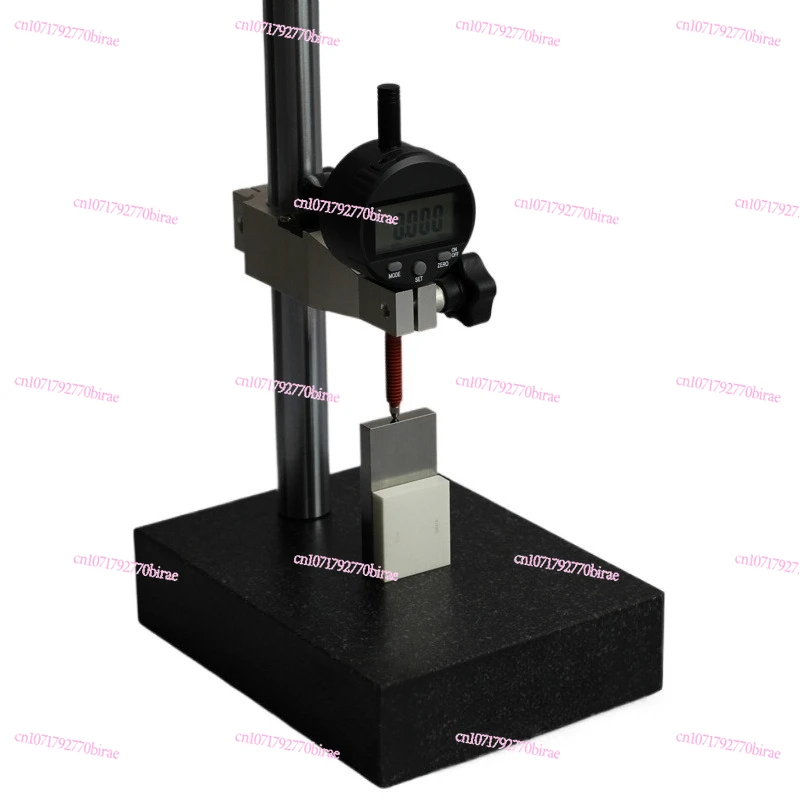
Gold is what most serious bullion buyers gravitate to. The classic sovereign-grade names — the South African Krugerrand, the Canadian Gold Maple Leaf, the American Gold Eagle, the British Sovereign, the Swiss Vreneli, the French Rooster — are liquid worldwide and trade close to spot plus a known premium. You'll also see bars, from small rounds up to 10-ounce Swiss bars, and themed sets like the Chinese Gold Panda. The advice is the same as silver: buy widely recognized forms first, because an obscure private mint's bar is harder to sell later. A pocket digital coin scale and a set of coin calipers let you verify weight and dimensions on arrival, which is your cheapest insurance against fakes.
Platinum: the niche play
Platinum bullion is less common and less liquid because demand simply isn't as deep as gold or silver. You can find it — Platinum Eagles, various proof issues, the occasional themed coin or bar — but expect wider buy/sell spreads and fewer buyers when you want out. It's a fine area to dabble in if the metal interests you, but go in knowing the exit is narrower. Whatever you buy, protect proofs especially carefully in a coin display case, since a fingerprint on a proof surface is effectively permanent.
The buying rules that protect you
Most of staying safe is just discipline. A few rules I'd treat as non-negotiable:

- Know exactly what you want before you order — metal, weight, and specific product. Vagueness is how you get upsold.
- Factor shipping and insurance into the real price before comparing sellers. A "cheap" coin with expensive shipping isn't cheap.
- Confirm the seller actually ships and tracks before paying, especially online.
- Never pay by instant, irreversible money transfer. Use a method with buyer protection. This single rule prevents most bullion scams.
- Vet the seller's reputation and history — dealer reviews, time in business, and feedback all matter more than the lowest price.
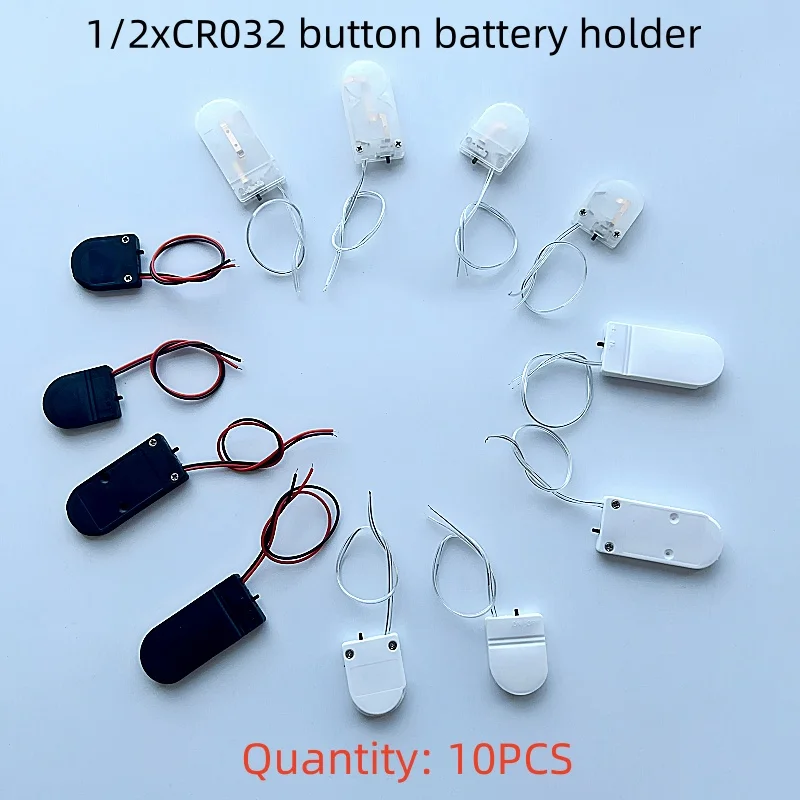
Buy from established dealers, compare the all-in price against the live metal price plus a reasonable premium, and walk away from anyone pressuring you to act now or pay an odd way. Once your coins arrive, weigh and measure them, then store them properly — coin flips for singles, a hard coin storage case for a growing stack. Do that, and bullion is one of the more straightforward corners of collecting: the value is mostly in the metal, the products are standardized, and the main way to lose is to ignore the rules above. A graded coin slab holder is worth it only for the rare bullion piece whose collectible value exceeds its melt — for ordinary stacking, simple sealed holders do the job.
Ready to shop? Compare graded coin slab holder across stores →