Buy the Book Before the Coin: Building a Coin Reference Shelf
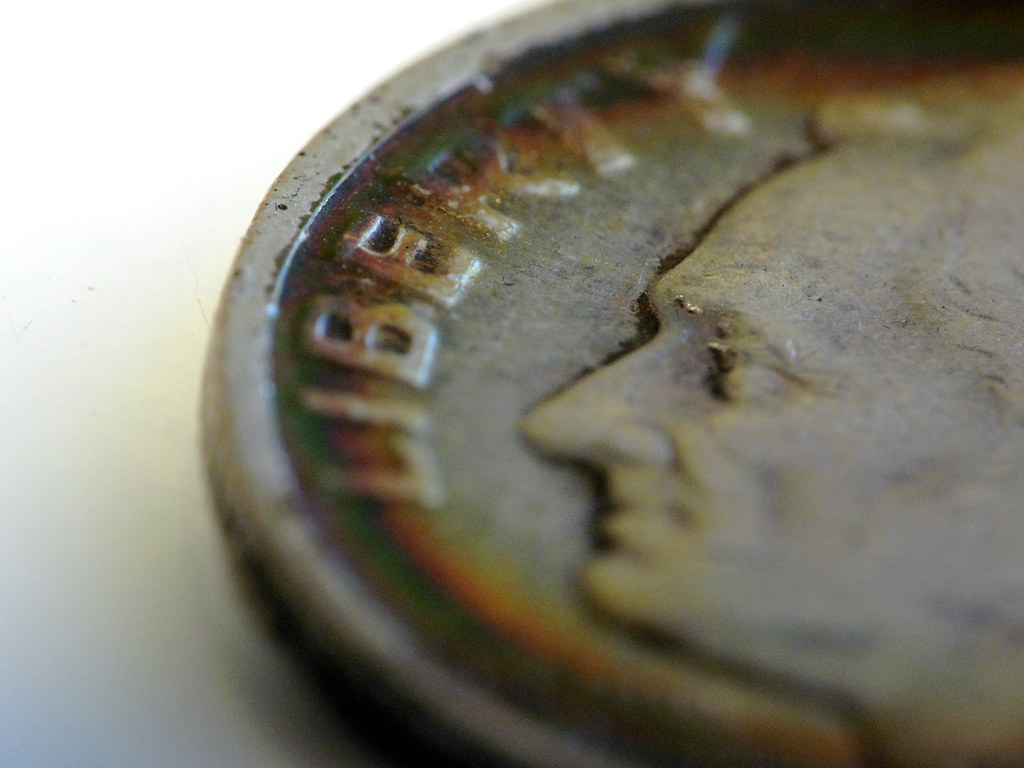
The oldest piece of advice in this hobby is "buy the book before the coin," and after years of collecting I've decided it's the only piece of beginner advice that's universally true.
Coin collecting looks like a finder's-keepers game from the outside, grab the shiny one, keep it, repeat. It isn't. Knowing which coins are worth collecting, which seemingly dull pieces are secretly rare, and how to tell a good example from a worn one, none of that is obvious, and none of it lives in your gut. It lives in books. A good coin collecting book is the cheapest, highest-leverage purchase a new collector can make, and the experts who tell you to buy it first aren't being precious. They're saving you from expensive mistakes.
Why the book comes first
Here's the trap. Walk into a coin shop or scroll an online listing without knowledge and every coin looks roughly equivalent, so you buy on instinct, which means you buy on price and shine. That's exactly backward. Some of the most valuable coins look unremarkable, and some shiny, attractive pieces are common as dirt. Without a reference you have no way to tell them apart, so you'll pass over the sleepers and overpay for the lookers. A book closes that gap before your money's on the line. I think of it as buying eyes: until I can recognize what I'm looking at, every purchase is a coin flip, and not the good kind.
It should teach the history
The first thing I want from any coin book is context. If I'm collecting U.S. coins, I want the history of U.S. coinage, the design changes, the key dates, the stories behind the issues. History isn't trivia here; it's what tells you why one date commands a premium and another doesn't. A coin's value is inseparable from its story, and a reference that skips the history leaves you memorizing prices without understanding them. Match a history-rich coin collecting book to whatever country or era you're targeting and read it before you spend, not after.

It should teach you to grade
If there's one skill that separates collectors who thrive from those who get fleeced, it's grading, the art of judging a coin's condition on a standard scale. The same coin can be worth ten dollars or a thousand depending on its grade, so getting this wrong is ruinous. You need a reference that walks you through grading practically, with images of each condition level, so you can hold a coin under a coin magnifier loupe and place it correctly. A dedicated coin grading guide alongside your general reference is money well spent. Grading is a learned eye, and the book is your trainer.
It should give you the broad view
If you haven't settled on a specialty yet, you want a reference that surveys coins of the world, the different types, regions, and traditions, so you can find the corner that grabs you. A broad world coin catalog is exactly this kind of map. It won't make you an expert in any one area, but it'll show you the landscape and help you choose where to go deep. I started broad, found I loved one narrow slice, and only then bought the specialist titles. That order saved me from spreading thin and wasting money on areas I didn't actually care about.
Print versus the internet
People reasonably ask why bother with books when everything's online, and it's a fair question with a practical answer. The internet is fantastic for spot-checking a current value, reading a forum thread, or seeing photos of a specific date, and you should absolutely use it. But a good coin collecting book gives you something the internet rarely does well: a structured, vetted, sequential education. A printed reference walks you through a subject in a deliberate order, edited and fact-checked, without the noise, contradictions, and outright misinformation that scatter across random web pages. I treat the book as my foundation and the web as my supplement. The book teaches me the framework; the internet fills in live details like today's market price, which I track in a coin price guide anyway. Lean only on scattered web searches and you'll end up with a patchy, half-right understanding that costs you at the worst moments. Build the spine of your knowledge from a real reference, then let the internet round it out.
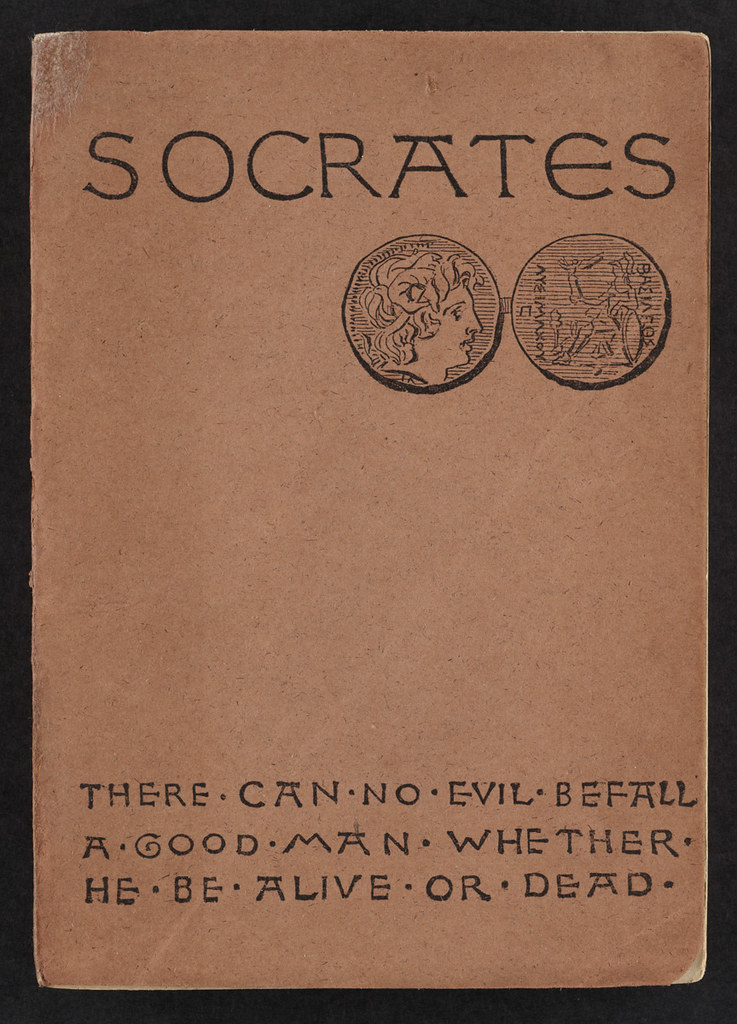
A working reference shelf doesn't need to be huge. A good history-and-pricing guide for your chosen area, a coin price guide you keep current because values move, a grading reference, and a broad world catalog cover almost everything a serious hobbyist needs. Add a coin collecting notebook to log your own purchases, grades, and prices paid, and over time your notes become a personalized reference more valuable than any printed one. Keep the books near where you sort and store, so checking a date or a grade is a reach away rather than a chore.
Books have been the collector's companion for as long as people have collected, and in numismatics they're more than companions, they're tools that pay for themselves the first time they stop you buying a common coin at a rare-coin price. Buy the book before the coin. It really is the whole secret, and it's the cheapest secret in the hobby.
Ready to shop? Compare coin collecting book across stores →