Avoiding Fraud When Buying Coins Online

Buying coins online is convenient, and convenience is exactly what scammers count on. I buy plenty of coins over the internet, but I do it assuming a deal can go bad, and that mindset has saved me more than once.
There are two main online formats. Auctions run over days, taking bids until close — and experienced bidders learn timing strategies to win them. Fixed-price listings let you find a coin, negotiate, and pay directly. Both put you in business with a seller you've never met, and while most transactions are honest, "most" is doing heavy lifting in that sentence.
Don't trust the "fraud is rare" line
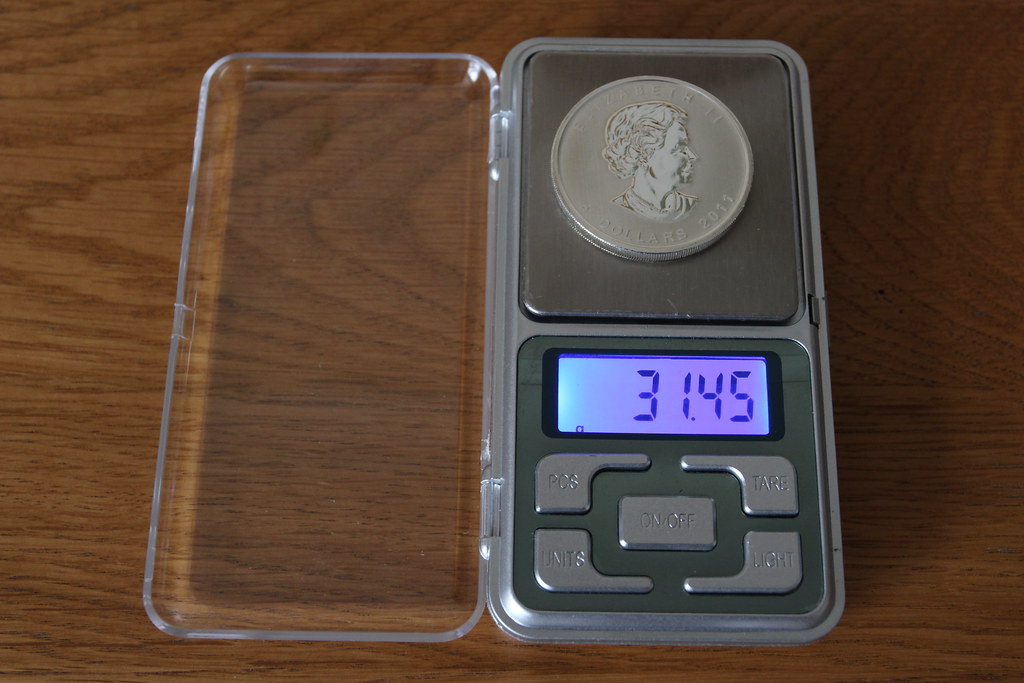
You'll see platforms cite reassuring statistics — fraud on a tiny fraction of a percent of listings, one in tens of thousands. Take those with a grain of salt. Investigative bodies that track this kind of crime have found the real risk runs meaningfully higher than the platforms advertise, which makes sense: the seller reporting the stats is not a neutral party. The internet didn't invent coin fraud — flea markets, mail-order, and in-person auctions all have their share — but it did make it easier and more scalable than ever. Assume the risk is real and protect yourself accordingly. Verifying a coin once it arrives is part of that, so keep a magnifying loupe and a digital coin scale on your desk.
Read feedback like an investigator
Seller feedback is your single best tool, but only if you read it properly. Don't just glance at the headline score. Dig into the negative and neutral comments — that's where the real story lives — and look at how the seller responded. A seller who answers complaints professionally is a different risk than one who gets defensive or ignores them. Cross-reference: find buyers who left positive feedback and see whether their experience matches what the seller promises you. Where there's a pattern of negative feedback, just withdraw. There are other coins. A coin that arrives as described goes straight into a coin capsule or coin flips; a coin that doesn't goes back.
The bait-and-switch problem
The most common online coin scam isn't a fake — it's a swap. The listing shows a lovely coin; a different, lesser coin shows up at your door. Guard against it deliberately:
- Save the listing photo the moment you commit. Many sellers pull the image and title right after a sale, erasing your evidence. Screenshot it.
- Get the full description and terms in writing — emailed or mailed — so there's a record of exactly what you agreed to buy.
- Ask questions before the auction closes. If anything about the listing is ambiguous, clarify it in writing up front rather than arguing after delivery.
- Know the going price. You have every right to refuse a coin priced well above standard. Compare against a price guide and recent sales before you bid, so an inflated "buy it now" doesn't tempt you.
- Ask about escrow on higher-value purchases before bidding closes. A seller who refuses any buyer-protection mechanism is telling you something.
The payment rule that matters most
If you remember one thing, make it this: pay with a method that has buyer protection, and never with instant, irreversible transfer. Reversibility is the difference between a bad transaction you can claw back and money that's simply gone. Pair that with the verification habits above — saved photo, written terms, feedback dug through, price checked — and you've eliminated the large majority of online coin fraud.

None of this means online buying is a bad idea. I do most of my buying this way, and a numismatic reference book plus a few minutes of completed-sale research tells me whether a price is fair before I ever message a seller. Stay informed, document everything, verify what arrives against the listing using your magnifying loupe, and store the genuine coins safely in a coin storage case. Fraud can happen to anyone — but it almost never happens to the careful buyer who refused to skip a single step.
Ready to shop? Compare digital coin scale across stores →