Your Job Might Be Aging You Faster Than You Think
You have to work. I'm not going to insult you by pretending otherwise, and I'm definitely not telling you to walk out on your livelihood. But it's worth being honest about something we mostly ignore: the place you spend forty-plus hours a week can be aging you, and you might not notice until the damage is done.
This isn't medical advice — it's a nudge to actually look at your environment with clear eyes. Does your workplace help you age well, or is it quietly working against you?
The physical toll is real
Some jobs are harder on the body than the paycheck lets on. Anyone working around fine airborne particles — sawdust in a mill, grain dust where things get ground down, the chemical haze in certain factories — is breathing in things the lungs were never meant to handle. Over years, that exposure is linked to respiratory disease, bronchitis, allergies, and worse.
Agricultural spraying carries its own risk: the chemicals built to kill weeds and pests don't politely stop at the crop. People who breathe them in over time can face serious breathing problems. The pattern is the same across all of these — slow, cumulative, easy to ignore until it isn't.
Protect your lungs like you mean it
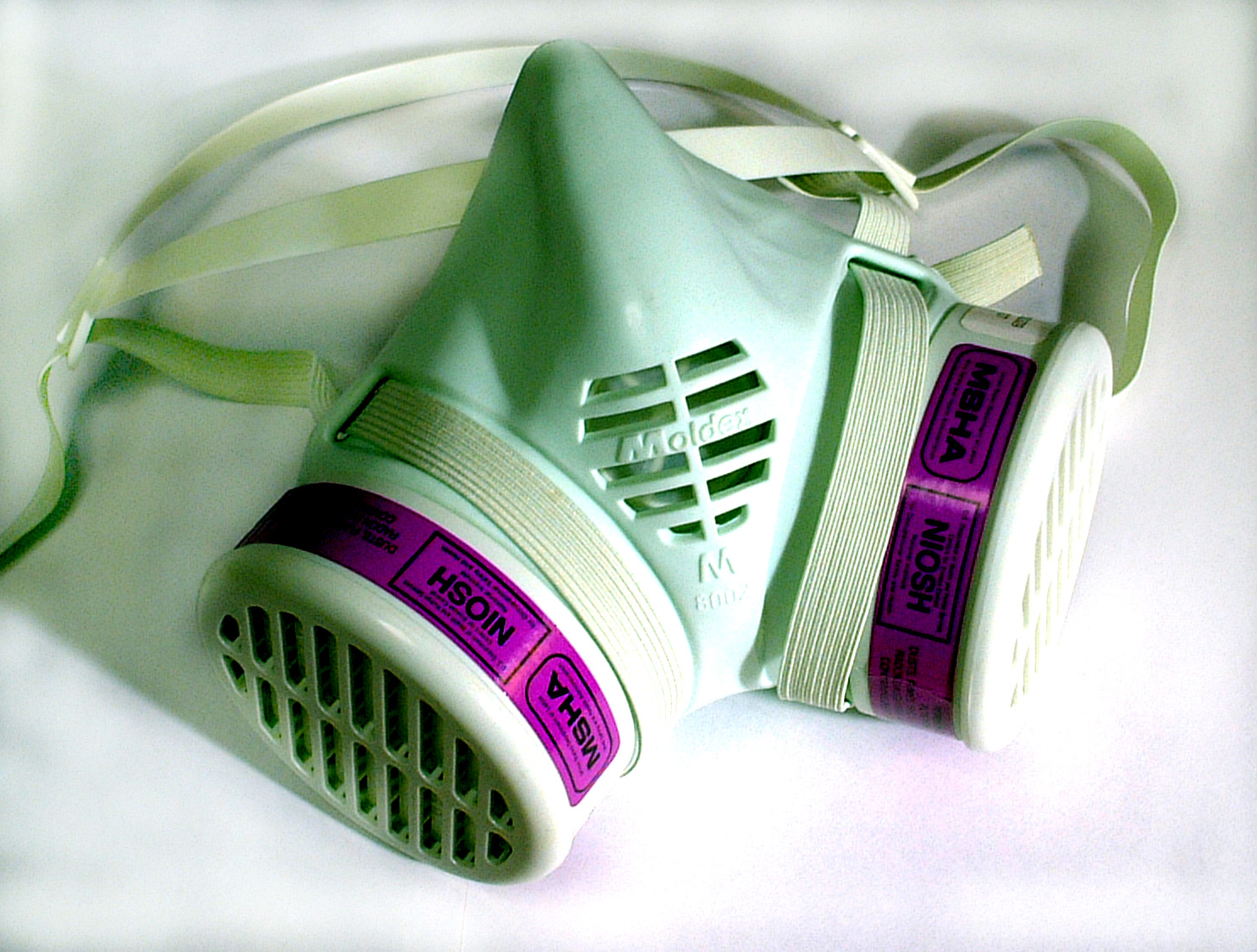
If your work puts particles or fumes in the air you breathe, the single highest-value thing you can do is cover your face. Ask your supervisor whether protection is available — a decent employer will already have it ready. If they don't offer, don't wait on them. Buy your own. A solid respirator mask costs far less than a lung problem, and a box of N95 masks covers you for lighter-dust days.
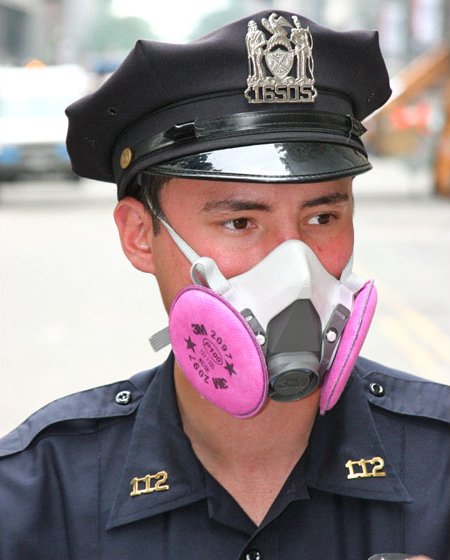
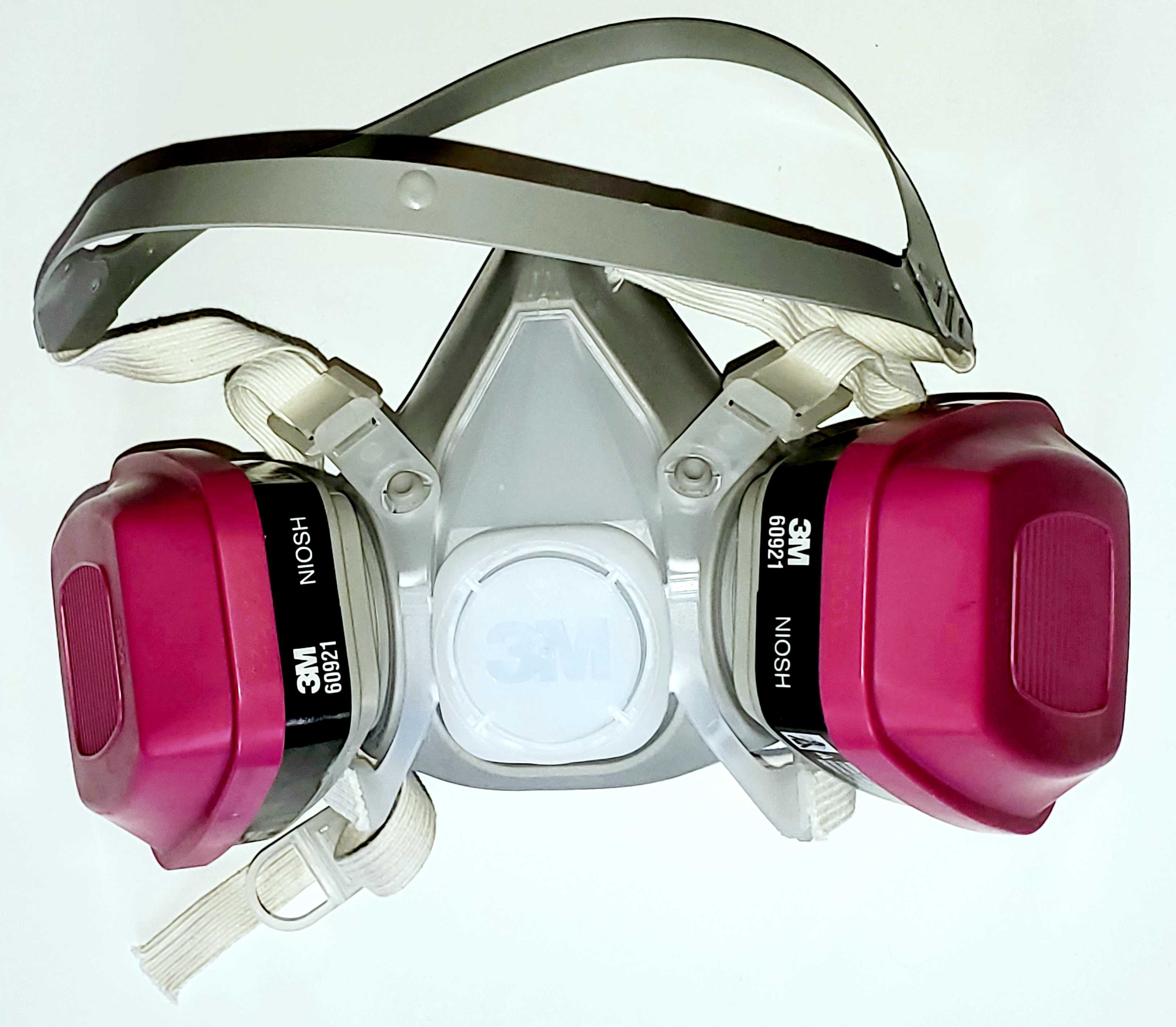
And then actually wear it. The mask sitting in your locker protects nobody. For chemical exposure, a half face respirator with the right cartridges is worth every cent — talk to someone who knows your specific hazard about which filters you need.
The mental load ages you too
Physical hazards get all the attention, but every job carries stress, and stress is its own slow poison. Deadlines, the pressure to do everything right, the things outside your control — left unmanaged, that strain is linked to high blood pressure, heart disease, and stroke.
Here's the part that actually matters: you have more say than it feels like. Stress will run you if you let it, but it can be managed. The goal isn't a stress-free job — that doesn't exist — it's keeping it from taking the wheel.
Build small recovery into the workday
You don't fix workplace stress at home after it's already wrecked your evening. You manage it in real time. A few minutes of slow breathing between tasks, a real walk at lunch instead of eating at your desk, a hard stop to your day so work doesn't bleed into sleep. Small stuff, done daily.
If your job keeps you on your feet or seated badly for hours, the body needs maintenance. A lumbar support cushion saves your lower back through a long shift, and a few minutes with a massage gun after work loosens what tension locked up. Whatever helps you genuinely decompress, treat it as part of the job, not a luxury.
Play it safe, stay in the game
None of this means abandoning a job you need. It means going in with your eyes open. Know which hazards your work carries, protect yourself against them, and refuse to let stress quietly take over the controls. Do those two things — guard the lungs, manage the mind — and you'll come out the other end of a career in far better shape than the person who just hoped for the best.
Ready to shop? Compare half face respirator across stores →