Yoga for Aging Bodies: Where to Actually Start
I avoided yoga for years because it felt like something you needed to already be flexible to do. That's backwards. Flexibility is the result, not the entry fee.
What follows is the plain version — what yoga actually does for an aging body, what it doesn't, and how to start without wrenching something on day one. None of this is medical advice. If you have joint issues, a heart condition, or anything that flares, talk to your doctor before you roll out a mat. That's not a disclaimer to skip; people with high blood pressure or recent injuries genuinely need a green light first.
What yoga is good at, and what it isn't
The honest pitch: yoga keeps you mobile. As we age, the quiet enemy isn't a dramatic injury — it's stiffness that creeps in until you can't reach the top shelf or get off the floor easily. Gentle, regular movement fights that directly. It also teaches you to breathe slowly on purpose, which is genuinely useful when stress has your shoulders up around your ears.
What it isn't: a cure for anything, a replacement for strength work, or a personality transplant. You'll see claims that yoga "controls your nervous system" or "rebalances your energy." Maybe. What I can vouch for is that twenty minutes leaves me less tense and moving more freely. That's enough to keep showing up.
How to start without overdoing it
Start absurdly small. One short session. The next day, slightly longer. The failure mode for people over fifty isn't laziness — it's enthusiasm. You feel good after the first class and decide to do an hour the next morning, and now your lower back hates you for a week.
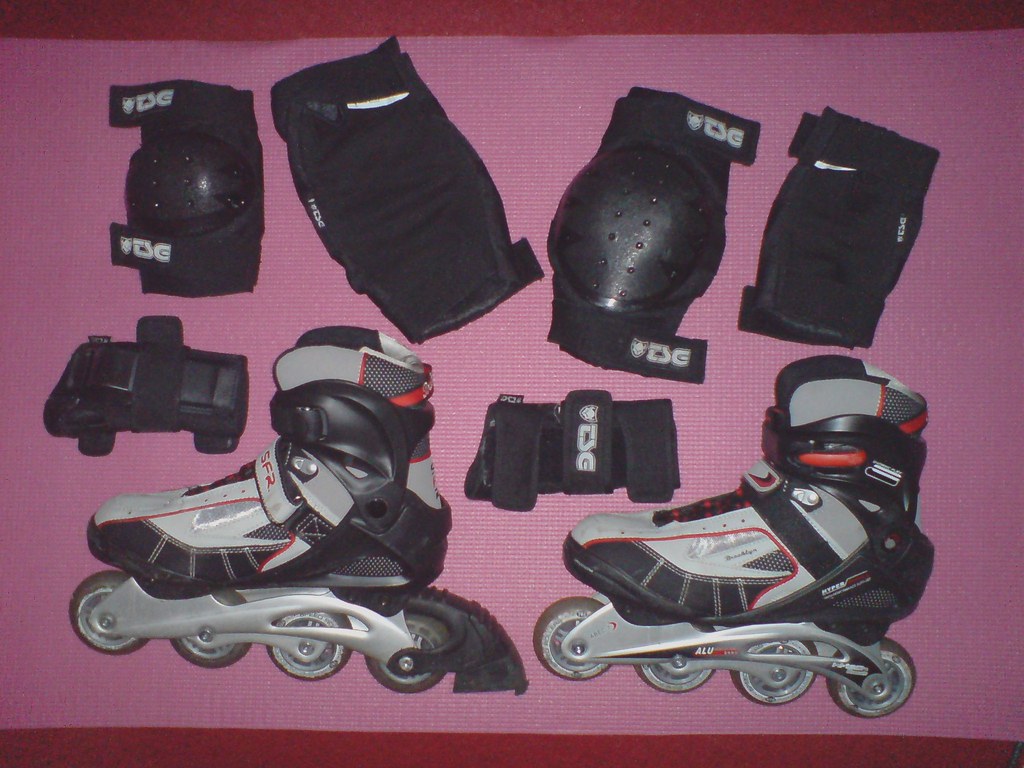
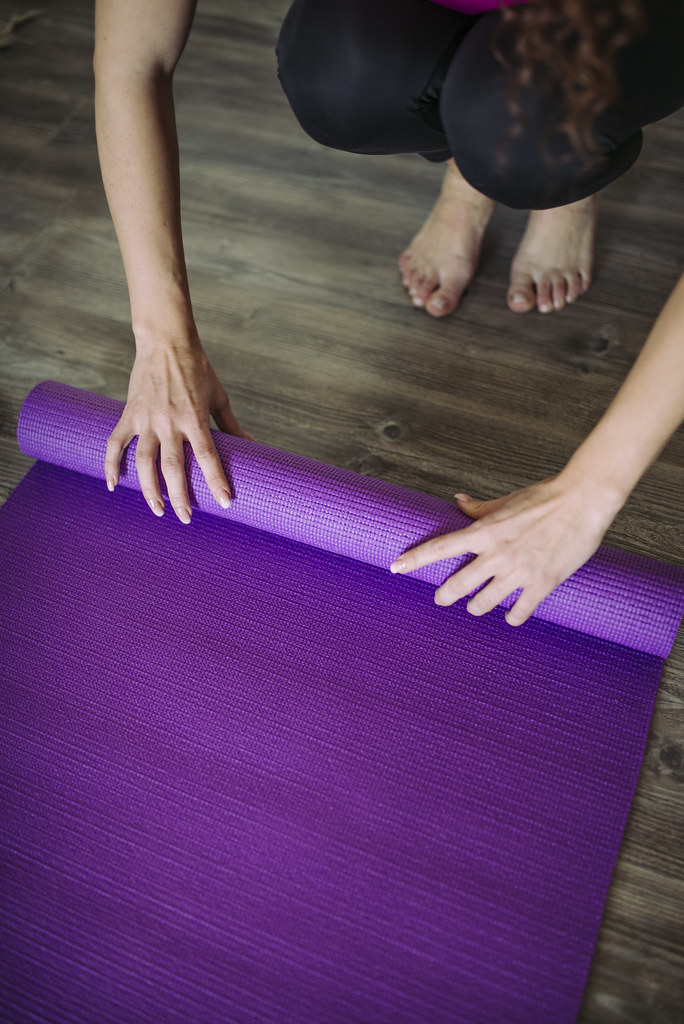
Pick a "gentle," "chair," or "restorative" style to begin. These names are doing real work — they signal slow movement and lots of support. Avoid "power" or "vinyasa flow" until you've got a base. A decent yoga mat with some cushion matters more than you'd think, because thin mats punish your knees and wrists on the floor poses. If kneeling is uncomfortable, a yoga knee pad solves it instantly.
The props that actually help
This is where a little gear earns its keep. A pair of yoga blocks bring the floor up to you, so you're not straining to reach a pose your body isn't ready for yet. A yoga strap does the same for hamstrings and shoulders — you loop it instead of forcing a stretch. None of this is cheating; it's how the pose is supposed to work while your range improves.
If you're cold-natured or working out in a chilly room, comfortable yoga clothing that moves with you removes one more excuse. I'm not precious about brands, but I am precious about not fighting my waistband during a forward fold.
Doing it alone vs. doing it with people
You can absolutely learn from videos at home, and for a lot of us that's the realistic option — no schedule, no audience, no commute. The cost is form. Nobody's there to say "drop that shoulder" or "don't lock that knee." If you go the home route, film yourself occasionally or use a full length mirror so you can check what you're actually doing versus what you think you're doing.
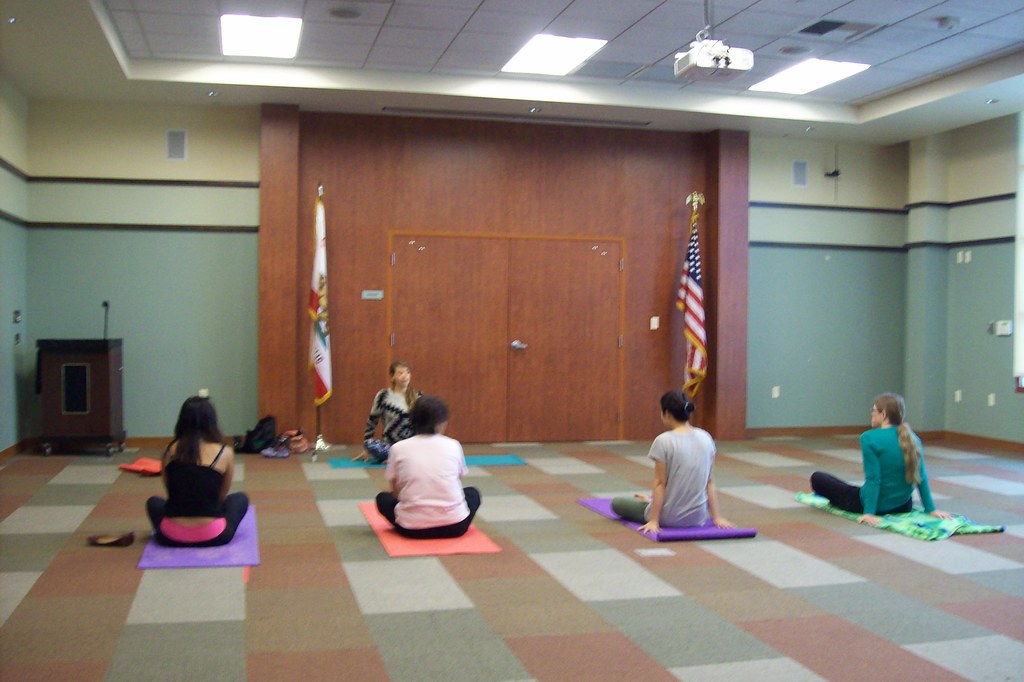
The case for a class, even just a few, is that early correction prevents bad habits that turn into pain later. A beginner-friendly group also has a quiet social benefit — you show up because people expect you. That accountability is underrated. If a studio feels intimidating, look for "senior," "gentle," or "beginner" labeled sessions specifically.
When you'll notice anything
Not soon, and that's the part nobody likes hearing. The changes are gradual — you reach a little further, you get up off the floor a little easier, you notice you're not bracing against the day quite as hard. If you want a number to aim at, give it six to eight weeks of two-or-three short sessions a week before you judge whether it's working. Keep a simple log in a cheap notebook so you can actually see the trend instead of relying on memory, which lies.
The whole thing comes down to consistency over intensity. A modest practice you actually keep up beats an ambitious one you quit in a fortnight. Start small, support the hard poses, and let the flexibility arrive on its own schedule.
Ready to shop? Compare yoga knee pad across stores →