Why Staying Employed Can Keep You Healthier
We usually frame work as the thing that wears us down, and sometimes it is. But there's another side worth saying out loud: working keeps a lot of people genuinely healthier — physically and mentally. Purpose, routine, and the simple fact of staying busy do more for aging well than we give them credit for.
This isn't medical advice — just an honest look at why work protects health, and how to get the same benefits whether or not you're clocking in.
What work quietly does for you
Working keeps you in shape and gives your brain a reason to keep processing — both of which matter for staying healthy. It also props up self-esteem in a way that's easy to underestimate. Knowing your bills are covered, that you're contributing something, that you have somewhere to be — that's a real buffer against depression and stress.
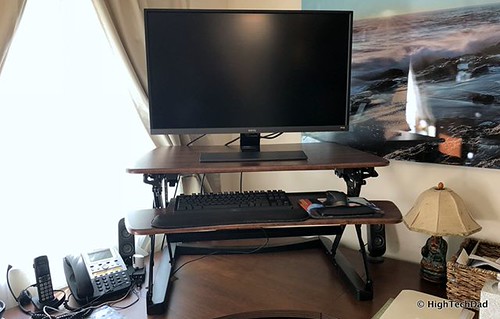
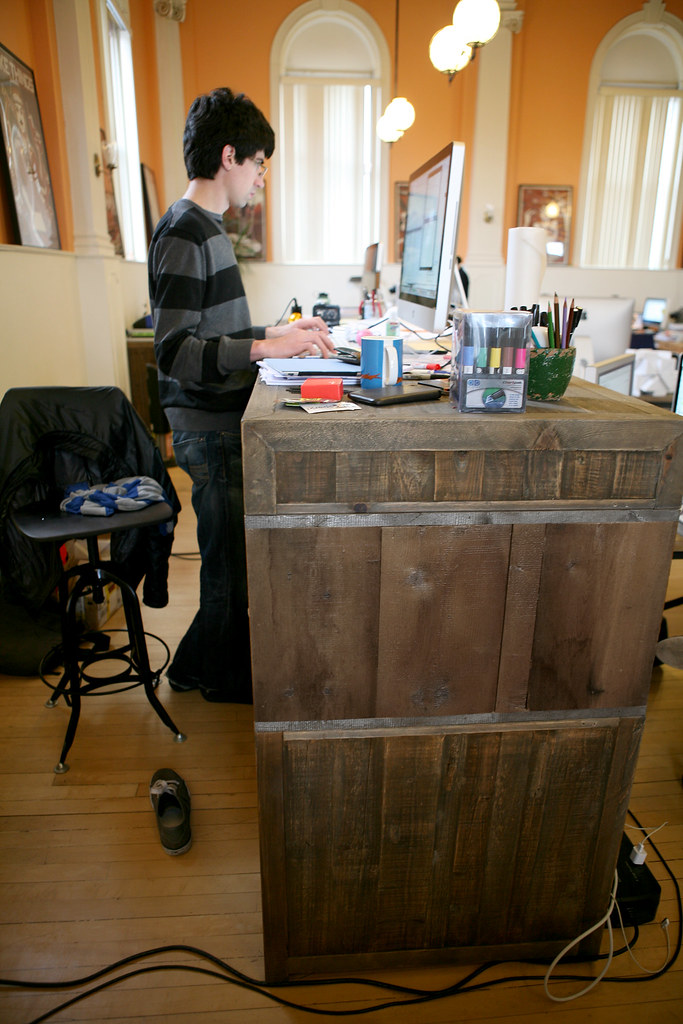
Compare it to the opposite. People with no structure and no sense of contribution often drift into being chronically sick, stressed, and unsure which way to turn. Work crowds out a lot of the idle worry that does damage when it has room to fester. If your work keeps you seated, a standing desk converter and an ergonomic office chair keep the physical cost down.

The stress trap to avoid
None of this means work is automatically good for you — uncontrolled stress is the thing that flips the equation. Left unmanaged, it brings you down, wears you out, and gradually erodes your immune system until you're catching every cold and flu going around. From there it can tip into depression, which wears a similar mask but digs deeper.
The point isn't to avoid stress entirely — that's impossible — it's to keep control of it before it controls you. A few minutes of decompression built into the day goes a long way; some people swear by a short routine with a meditation app subscription or simply stepping away with a noise cancelling headphones to reset.
How depression snowballs
It's worth understanding the chain, because it's preventable. Depression messes with sleep — too much or not enough — and broken sleep brings daytime fatigue. Some people gain weight and sink into self-pity, which kills off activity, and without movement the muscles start to deteriorate. Then binge eating or under-eating damages the gut and other organs. Each link makes the next one easier. Breaking it early, while it's still just stress, is far easier than untangling the whole chain later. A simple sleep tracker helps you notice the first link — sleep slipping — before the rest follows.
Keep moving, with or without a job
The deeper truth underneath all of this is that muscles and joints need consistent movement to stay healthy, and a job often supplies that movement by default. If you're not working — retired, between roles, whatever — you just have to supply it yourself. Daily walks, light strength work, anything that keeps the body in motion. A set of resistance bands or a under desk elliptical makes that easy to do at home, no commute required.
The takeaway
Work, at its best, hands you three things almost for free: physical movement, mental engagement, and a sense of purpose. That's a powerful combination for aging well. If you have it, manage the stress so the benefits aren't cancelled out. If you don't, build those three things into your days deliberately — because the body and mind don't care where the structure comes from, only that it's there.
Ready to shop? Compare standing desk converter across stores → 🏷️ Shop direct from our partner Sunaofe →