
What Natural Skincare Really Means: Habits Over Products
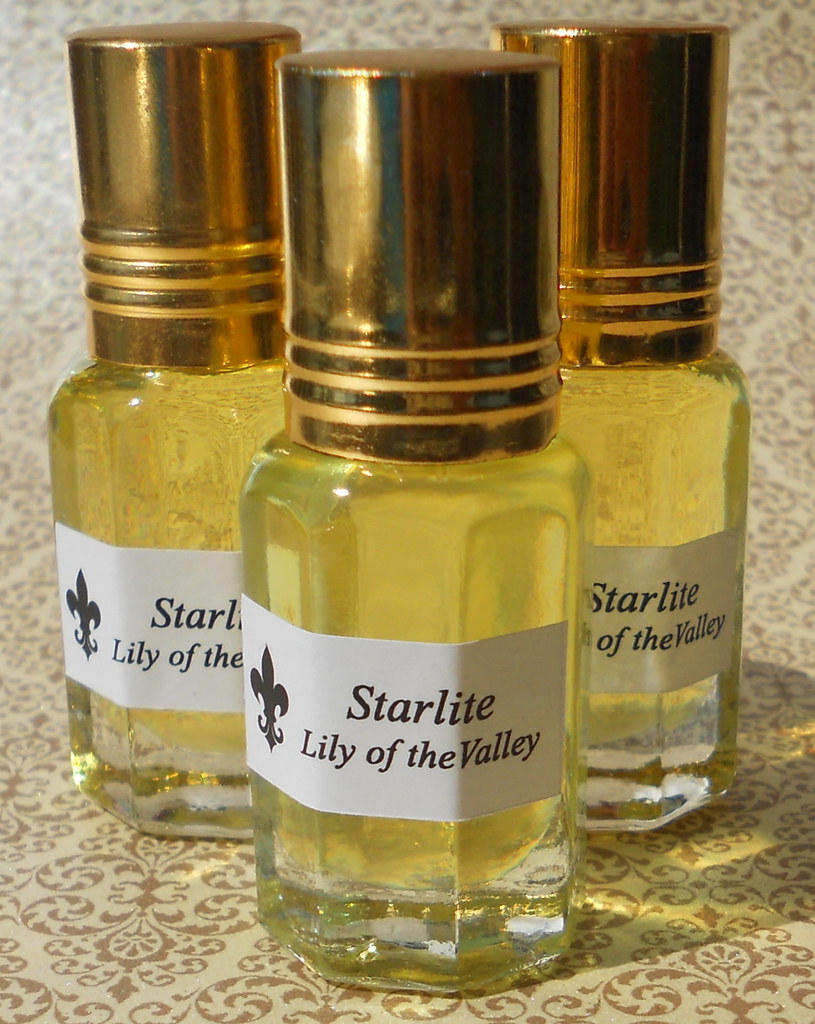
When most people hear "natural skincare" they picture a shelf of green-labeled bottles with leaves on them. That is the marketed version. The actual idea is much less profitable and much more useful: it is mostly about supporting your skin's ability to look after itself through daily habits, with products as a minor supporting act. Almost none of the core stuff costs anything.
This is not medical advice, and a stubborn skin problem needs a professional, not a herbal remedy. But the genuinely natural approach is worth understanding, because a lot of it overlaps with just taking care of your body.
The unglamorous foundation: water and cleanliness
The first natural skincare measure everyone cites is drinking enough water — somewhere around eight glasses a day for most people. It will not transform your face on its own, despite what some ads imply, but proper hydration supports your whole body, and dehydration genuinely shows on skin. It helps the body flush waste and keep every organ, skin included, running.
Right alongside it is plain cleanliness, which is the cheapest skincare there is. A daily shower, clean clothes, and a clean pillowcase keep bacteria and grime off your skin and head off a lot of minor breakouts before they start. You do not need a special gentle facial cleanser to get most of this benefit, though a mild one helps for your face — you just need to actually do it consistently.
Move your body, sleep properly
Exercise gets a place on the list because it increases blood flow, which helps the body clear waste and is a genuine stress reliever. It is not a skincare product, but it is a skincare input, and you cannot buy it in a jar.
Sleep belongs here for the same reason. Good sleep helps the body repair and, over time, delays the slackening and tired-looking skin that chronic exhaustion brings on. There is no anti-aging night cream that competes with a consistent eight hours, and the people selling the cream would rather you not know that.
Eat for your skin, not against it
Food is part of natural skincare too. Greasy, fried food is linked to breakouts for a lot of people and is worth pulling back on. The broader goal is a varied diet with plenty of nutrients — raw fruits and vegetables in particular tend to leave skin looking fresher and help the body deal with its own waste.
None of this requires a supplement aisle. It is the same advice you would get for general health, which is the whole point: skin is an organ, and what is good for the rest of you is usually good for it. A collagen supplement might have a role for some, but it is the last thing to reach for, not the first.
Stress is the quiet skin-wrecker
Stress does broad damage to the body, and skin is on the receiving end. The natural responses are the ones already mentioned — water, sleep, exercise — plus whatever genuinely calms you down. A warm bath, music, your favorite sport, or yoga, which has a real following for stress relief, all count.
I am wary of products that promise to "soothe stressed skin" from the outside while the actual stress continues unaddressed. A calming face mask can be a nice ten minutes, but it is a treat, not a treatment for what is causing the problem.
Where products fit, and which ones are honest
Sun protection is the one place where reaching for a product is clearly worth it. Covering up with long sleeves, a hat, or shade is genuinely natural, and a sunscreen on top of that is sensible rather than a marketing upsell. Avoiding excess sun is one of the highest-impact things on this entire list, so do not skip the spf moisturizer in the name of going product-free.
Beyond that, a few simple ingredients have real, low-drama track records — things like aloe vera or lavender oil, which tend to be gentle and side-effect-light. A pure aloe vera gel for soothing or a small bottle of natural face oil can earn a spot. But notice the order: habits first, simple products second. Natural skincare done right is cheap, boring, and mostly about how you live, which is exactly why it is undersold.
Ready to shop? Compare natural face oil across stores →