Vitamins After 50: Fat-Soluble, Water-Soluble, and Why It Matters
Somewhere past 50, the relationship between your body and the vitamins it needs quietly changes. You can't slow the clock down, but you can stop pretending your diet at 55 works the same way it did at 25 — because it usually doesn't.
This is a plain-English primer, not medical advice. The goal is just to help you understand what you're putting in your body and why the category a vitamin falls into actually changes how you should treat it.
Why aging shifts your needs
As we get older, diets drift. Some people eat less, some eat more, and the digestive system and skin both change in ways that affect how vitamins are absorbed and produced. On top of that, modern food often carries less nutrition than it used to — heavy fertilizing and fast-growth farming dilute what ends up on your plate. The net effect: levels that used to take care of themselves now sometimes need topping up.
When that's the case, a sensible multivitamin for adults over 50 is a reasonable baseline. It won't fix a bad diet, but it covers the gaps a changing body opens up.
Fat-soluble vitamins: more is not better
Vitamins A, D, E, and K are fat-soluble, which means your body stores them. That sounds convenient until you realize it also means you can overdo it — take too much and they can build up to genuinely toxic levels. This is the category where "if a little is good, more is better" is flat-out wrong.
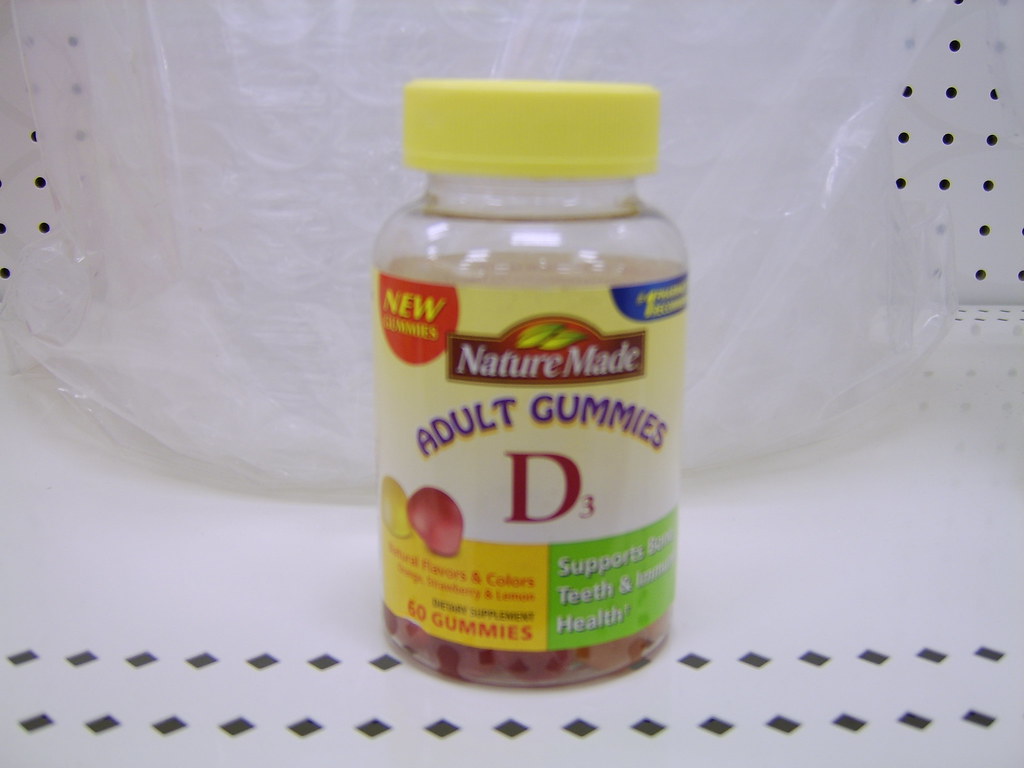
Your body makes some of its own D and K, while A and E generally need to come from food or supplements, and the right amounts of A, C, and E are tied to protecting against heart disease and some cancers. Vitamin D is worth a special mention: your skin produces it from sunlight, and since we tend to spend less time outdoors as we age, deficiency is common. A vitamin D3 supplement supports bone strength when sun exposure falls short, and a combined vitamin D3 K2 supplement is a popular pairing for exactly this reason.
Water-soluble vitamins: top up daily
The B vitamins, C, and P are water-soluble, and they play by opposite rules. Your body doesn't hoard them — the excess gets flushed out through the kidneys daily. That's good news for safety, but it means you need a steady supply rather than relying on stored reserves.
B-12 in particular earns its keep: it helps produce red blood cells and maintain the nervous system, and together with B-6 it's associated with lower heart-disease risk. You'll find it in lean red meats, chicken, and skim milk — but if your appetite or diet has narrowed, a vitamin B12 supplement or a broader vitamin B complex fills the gap. A daily vitamin C supplement rounds out the water-soluble side.

If swallowing pills is the problem
A lot of people quietly stop taking vitamins because the pills are hard to swallow, and that's a real reason that deserves a real fix. The answer isn't to give up — it's to switch formats. liquid multivitamin options go down easily, and many nutrients come in gummy vitamins form too. One caution worth knowing: some pills lose their potency if you cut or crush them, so don't improvise — ask which of your supplements come in liquid form instead.
The simple version
Three balanced meals a day, supplements to cover what your diet misses, and respect for the difference between the vitamins you can overdo (fat-soluble) and the ones you need to replenish (water-soluble). Run the specifics past your doctor — they can tell you which levels actually need attention and which you can leave alone. Then take what you need consistently, and get on with enjoying life.
Ready to shop? Compare gummy vitamins across stores →