
Vitamin C Serum: The Oxidation Problem Nobody Warns You About

Vitamin C has a great reputation in skincare, and some of it is earned. But almost nobody selling it tells you the inconvenient truth: pure vitamin C is chemically fragile, it starts dying the moment it meets air, and a lot of the bottles on shelves are already past their best. I learned this the expensive way, after rubbing a bottle of suspiciously brown serum into my face for weeks.
This is not medical advice. It is the practical version of what is going on inside that little glass bottle, so you can stop wasting money on dead product.
What vitamin C is actually supposed to do
The headline claim is that vitamin C supports collagen synthesis — collagen being the structural protein that keeps skin firm — which is where the "anti-aging" and "wrinkle fighter" language comes from. The second, less hyped benefit is antioxidant activity: it helps neutralize free radicals, the unstable molecules that contribute to skin damage.
Both of those are reasonable mechanisms. The catch is that they only happen if the vitamin C is still chemically active when it reaches your skin, and that is exactly the part the marketing skips. A vitamin c serum that has oxidized is not a milder version of a good one — it is a different, useless thing in the same bottle.
Oxidation is the whole problem
Here is the core issue. Vitamin C, in its pure L-ascorbic acid form, reacts with oxygen. The moment air gets in — every time you open the bottle, and slowly even when it is sealed — it oxidizes. Oxidized vitamin C does not just stop working; in degraded form it can actually be counterproductive for skin.

The good news is that oxidation is visible. Fresh serum is clear or pale; oxidized serum turns yellow, then orange-brown. That color shift is your warning light. If your vitamin c serum has gone amber, it is finished, regardless of the printed expiry date. You should be checking the color before you buy and continuing to check it the whole time you own it.
How brands try to fight it, and the trade-offs
Manufacturers know all this, and they have a few moves. One is to pack in a high concentration — say 10% or more — so there is enough active ingredient that some survives the inevitable decay. The downside is cost: high-concentration pure vitamin C is more expensive and more irritating, and the products are usually cheap enough that there is a limit to how far they can push the price.
The other move is to use vitamin C derivatives — names like ascorbyl palmitate or magnesium ascorbyl phosphate. These are more stable, cheaper, and gentler on the skin. The honest trade-off: derivatives are generally less potent than pure L-ascorbic acid. But a slightly weaker serum that is still alive beats a stronger one that oxidized into uselessness, so for a lot of people the stable vitamin c serum is the smarter buy.
Storage decides whether you wasted your money
Even a well-formulated serum dies fast if you store it badly. Heat, light, and air all accelerate oxidation, which means the worst possible home for it is an open shelf in a bright, steamy bathroom — basically the default spot most people use.
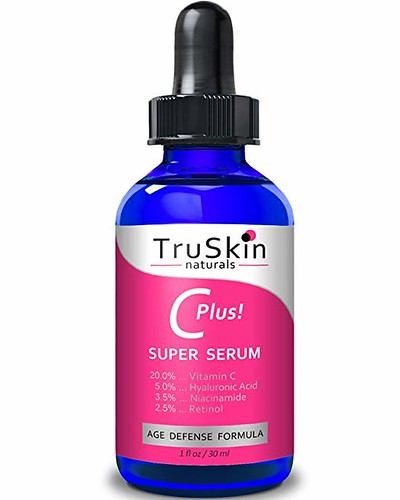
Keep it somewhere cool, dark, and tightly capped. Opaque or dark-glass bottles with a pump or dropper that limits air contact are doing real work, not just looking premium. If you buy in bulk to save money, you may find the last of it has degraded before you reach it, so smaller bottles you finish quickly can be the better value. A small dark glass dropper bottle and a cool drawer will outperform any premium serum left to bake.
It is not magic, and not everyone responds
One more honest note. Even a perfectly fresh, well-stored vitamin C serum does not work for everyone. Skin chemistry varies, and some people simply do not see a visible difference. If you have used a good product correctly and nothing changed, that may just be your skin, not a defective bottle.
So treat it as a maybe-helpful addition, not a cornerstone. Pair it with the things that reliably matter — an spf moisturizer by day, a gentle facial cleanser — and judge the serum on whether it earns its place. If it goes brown in a month and does nothing visible, you have your answer, and there is no shame in dropping it.
Ready to shop? Compare vitamin c serum across stores →