


Sensitive Skincare: How to Care for Easily Irritated Skin

Sensitive skincare follows a few basic rules — but before the rules, it helps to understand what sensitive skin actually is. Sensitive skin is skin that can't tolerate unfavorable conditions, whether environmental or otherwise, and that easily becomes irritated on contact with foreign materials — including skincare products themselves. That's why some products are specially labeled for sensitive skin. The degree of sensitivity varies from person to person, so sensitive skincare routines vary too. The unifying principle is gentleness: minimizing what touches the skin and choosing only what soothes rather than provokes it. Here's how to care for easily irritated skin and keep it calm.
Understand your skin's low tolerance threshold
All skin reacts negatively to detergents and chemical-based products, but the damage usually only starts beyond a certain threshold or tolerance level. With sensitive skin, that threshold is very low — so it gets irritated and damaged far more easily and quickly than other skin types. This is the core fact to work around: things that other people's skin shrugs off, yours reacts to. Once you accept that, the whole approach makes sense — keep potential irritants away or at very low concentrations, which is exactly what genuine sensitive skin care products do.
Use products made for sensitive skin
The simplest rule: use products specifically marked for sensitive skin. These either avoid known irritants entirely or keep them at very low concentrations. Always read the instructions and any warnings on the label, since some products carry specific restrictions. Within the sensitive-skin range, go further and choose the formulas with the fewest preservatives, colorings, fragrances, and other additives — these are the most common triggers. A fragrance-free, gentle sensitive skin cleanser and a hypoallergenic moisturizer (look for "noncomedogenic" too) are the cornerstones of a sensitive routine.
Skip toners and harsh extras
Some standard skincare steps work against sensitive skin. Skip toners, for instance — most are alcohol-based and far too drying and irritating for sensitive skin. In general, the more steps and active ingredients you pile on, the more chances something irritates you, so a minimalist routine of a gentle cleanser, a soothing moisturizer, and sunscreen often serves sensitive skin best. When you do want to try something new, patch-test it on a small area first and wait a day or two before applying it to your face.
Protect against the sun
Excessive sun exposure is hard on all skin and especially on sensitive skin, so sun protection is essential. Apply a mineral sunscreen before going out — mineral (physical) sunscreens with zinc oxide or titanium dioxide are usually gentler on reactive skin than chemical ones. Reapply when you're outdoors for long periods. Protecting sensitive skin from UV not only prevents burning and irritation but also slows the damage that makes skin even more reactive over time.
Shield it from irritants and pollutants
Sensitive skin needs protection from everyday irritants, too. Wear protective gloves when doing laundry or any chemical-based cleaning — and if you're allergic to rubber, wear cotton gloves underneath the rubber ones. Avoid excessive exposure to dust and pollutants, covering up adequately before going out into harsh conditions. Reducing your skin's contact with the chemicals and grime of daily life directly reduces the flare-ups. A gentle fragrance-free laundry detergent for your clothes and bedding also helps, since these touch your skin for hours.
Keep it simple and consistent
The temptation with troubled skin is to keep trying new products in search of a fix, but with sensitive skin that often makes things worse — every new product is a new risk. Once you find a small set of gentle products your skin tolerates, stick with them consistently rather than constantly switching. A stable, minimal routine gives sensitive skin the calm it needs to stay balanced. Boring and consistent is exactly what reactive skin wants.
Soothe flare-ups gently
When sensitive skin does flare — redness, stinging, tightness — resist the urge to treat it aggressively. Stop using anything new, simplify back to just a gentle cleanser and a soothing moisturizer, and give the skin time to settle. Ingredients like aloe, oatmeal, and ceramides calm irritated skin, and a soothing face cream formulated for redness can help. If flare-ups are frequent, severe, or you suspect a genuine allergy or condition like rosacea or eczema, see a dermatologist — persistent reactivity sometimes needs professional diagnosis.
Adjust for the seasons
Sensitive skin often reacts to changes in the weather, so your routine may need to shift through the year. Winter's cold air and indoor heating strip moisture and can leave sensitive skin tight, flaky, and more reactive than usual — a richer moisturizer and a humidifier in the bedroom help enormously during the cold months. Summer's heat, sweat, and stronger sun bring their own challenges, calling for lighter formulas and diligent sun protection. Wind, sudden temperature swings, and very dry or very humid air can all provoke flare-ups in skin that tolerates little. Pay attention to how your skin behaves across the seasons and adjust accordingly rather than using the exact same products year-round. A gentle facial moisturizer in a richer winter version and a lighter summer one is a simple way to keep reactive skin comfortable as conditions change. The goal throughout is the same: keep the skin barrier protected and calm, whatever the weather is doing to it.
What I'd skip
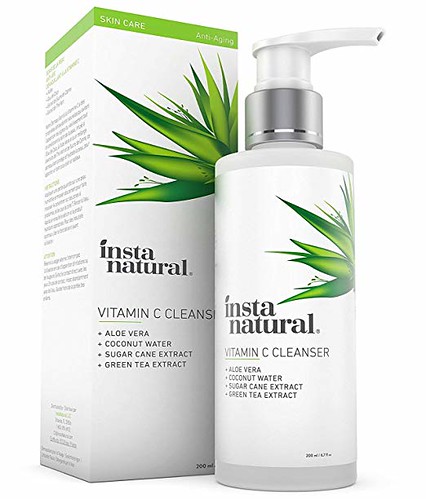
Skip products loaded with fragrance, color, and preservatives — they're the usual triggers. Skip alcohol-based toners entirely. Skip constantly switching products in search of a fix; sensitive skin wants consistency. And skip treating a flare-up aggressively — simplify and soothe instead.
The honest answer
Caring for sensitive skin is an exercise in gentleness and restraint: use products made for sensitive skin with minimal additives, skip harsh steps like toners, protect against sun and pollutants, keep your routine simple and consistent, and soothe rather than attack flare-ups. Because sensitive skin reacts to things others tolerate easily, the winning strategy is always less, not more — fewer products, fewer irritants, fewer changes. Find what calms your skin and stick with it, and even reactive skin can stay comfortable and healthy.
Ready to shop? Compare sensitive skin cleanser across stores →