
Protecting Your Bones Before They Break: A Lifelong Plan
Your bones are not the inert scaffolding you think they are. They are living tissue that you can build up or let waste away, and the choices that matter start far earlier than most people realize.
Until about age 30, your bones are still gaining density. After that, the slow drain begins, and after 50 it can accelerate into real trouble. The frustrating part is that bone loss is silent. You usually do not feel it until something fractures, and by then the easy prevention window has closed.
This is not medical advice, but the strategy for keeping your skeleton strong is well established and worth taking seriously at any age.
Why bone density is worth guarding
As bones lose density, they get fragile. That sets you up for fractures, and as you age, fractures stop being minor. Hip fractures in particular are common among older adults and far more dangerous than they sound; they are linked to serious decline and even death.
When bones weaken, the muscles and joints around them tend to follow, which opens the door to arthritis and chronic stiffness. Protecting bone density early is really about protecting your independence decades down the line.
Calcium, but from food first
Calcium is the headline mineral, and you need it your entire life. Children need roughly two cups of milk a day and adults around three cups' worth, but the source matters. Calcium from food tends to be better absorbed than calcium from pills, partly because processing strips some of it out.
Build meals around dairy, leafy greens, and fortified foods. If your diet genuinely falls short, a calcium supplement can fill the gap, ideally one that also includes the supporting players. Bones do not run on calcium alone; they also need magnesium and phosphorus to do the job properly, so a magnesium supplement is worth a conversation with your doctor.
Vitamin D is the key that unlocks calcium
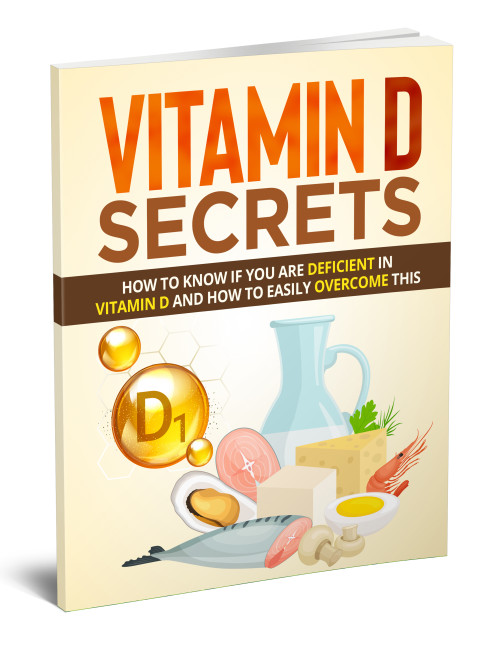
You can eat all the calcium in the world and waste much of it without enough vitamin D, which helps calcium move through your bloodstream and into your bones. The best source is free: sunlight. A 15 to 20 minute walk around midday does double duty, giving you vitamin D and weight-bearing exercise at once.
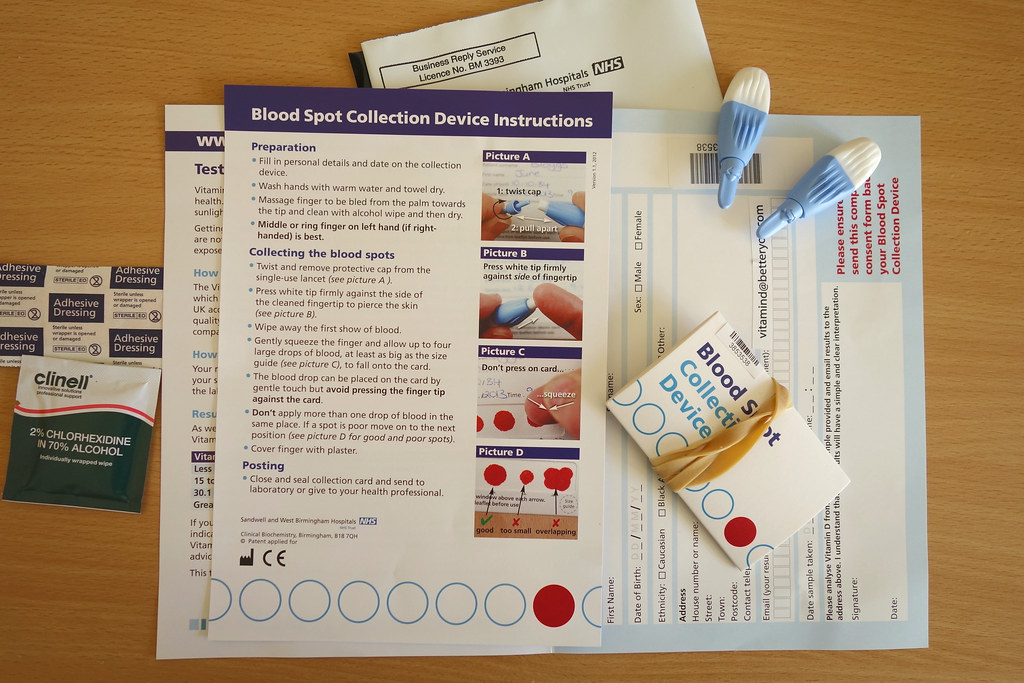
As people age they tend to stay indoors more, which is exactly when vitamin D dips. If you cannot get reliable sun, a vitamin d supplement helps. Some people like to verify their levels first, and a home vitamin d test kit makes that simple before you start guessing at doses.
Weight-bearing movement is non-negotiable
Bones respond to load the same way muscles do. Weight-bearing activity tells them to stay dense. Walking is the easiest entry point, and supportive walking shoes make it sustainable. Add light resistance work with a set of resistance bands to load the bones a little harder.
Stretching matters too. Keeping muscles and joints loose protects the bones they surround and reduces stiffness, so a few minutes on a foam roller or simple daily stretches earn their place in the routine.
It is never too late to start
Here is the encouraging part. Even in middle age, you can slow and partly repair bone loss. The teenager who ignored their bones can become the 55-year-old who finally protects them, and still come out ahead of where they were heading.
Eat for your bones, get your sun and your vitamin D, keep your weight in a healthy range so you are not overloading your joints, and move every day. Strong bones are how you walk through the rest of your life on your own two feet.
Ready to shop? Compare vitamin d test kit across stores →