
Natural Skincare: The Hype vs the Reality, Honestly Sorted
"Natural" is the most powerful word in skincare marketing and one of the least meaningful. I am not anti-natural at all. I am against the lazy assumption that natural equals safe and synthetic equals harmful, because that belief gets people hurt and overcharged.
Walk into any beauty store and you will find a wall of products selling themselves on being natural, botanical, plant-based, clean. The implication is always the same: this is gentler, purer, and better for you than the chemical stuff. Some of these products are genuinely good. But the underlying claim, that natural is inherently superior, does not survive contact with how skin actually works.
"Natural" is barely a definition
There is no strict, enforced legal definition of "natural" on a skincare label in most places. A product can contain a single botanical extract and a long list of synthetic ingredients and still market itself as natural. Worse, truly 100 percent natural products are rare, because natural preservatives are expensive and less effective, which means natural products either cost a premium, spoil faster, or quietly include synthetic preservatives anyway. The label is selling a vibe, not a verified formula.
This is not a reason to avoid these products. It is a reason to read the actual ingredient list instead of trusting the front of the box. Judge a natural face moisturizer by what is in it and how your skin responds, not by the marketing word stamped across the top.
Natural does not mean gentle
Here is the myth that does real damage. People assume that because something is natural it cannot harm their skin, so they slather on undiluted essential oils, lemon juice, and DIY concoctions with abandon. But some of the most potent skin irritants and allergens in existence are entirely natural. Citrus oils can cause reactions and sun sensitivity. Many essential oils are common allergens. Plant extracts are complex chemical cocktails, and "it grew in the ground" is not a safety certificate.
An unsuitable natural product harms your skin in exactly the same way an unsuitable synthetic one does. The relevant question was never natural versus synthetic. It is whether a given product suits your specific skin, and the only way to know is to patch-test it and watch.
Synthetic is not the enemy either
On the flip side, plenty of synthetic ingredients are well-researched, stable, effective, and gentle. Some skin conditions genuinely need clinically proven treatments that no botanical can match. Refusing a dermatologist's recommendation because it is "not natural" is choosing ideology over your own skin. The smart approach is to be open to both, and let evidence and your skin's response decide, not a marketing category.
A well-formulated synthetic facial moisturizer or a proven vitamin c serum can outperform a botanical alternative, and that is fine. Use what works.
It also helps to remember why the natural-versus-synthetic frame caught on in the first place. It is a clean, emotionally satisfying story: nature good, chemicals bad. Reality is messier. Water is a chemical. Many synthetics are derived from or inspired by natural compounds, then stabilized so they actually keep working in the bottle. The honest division is not natural versus synthetic at all, it is well-tested-and-suitable versus poorly-tested-and-unsuitable, and that line cuts right through both categories.
How to choose a natural product well
If you prefer natural products, and there are perfectly good reasons to, choose them the same way you would choose any product. Match it to your skin type, dry, oily, normal, or sensitive. Consider your climate, since a hot humid place calls for lighter, oil-free formulas regardless of whether they are natural. And use it correctly, because even a great product applied wrong does nothing.
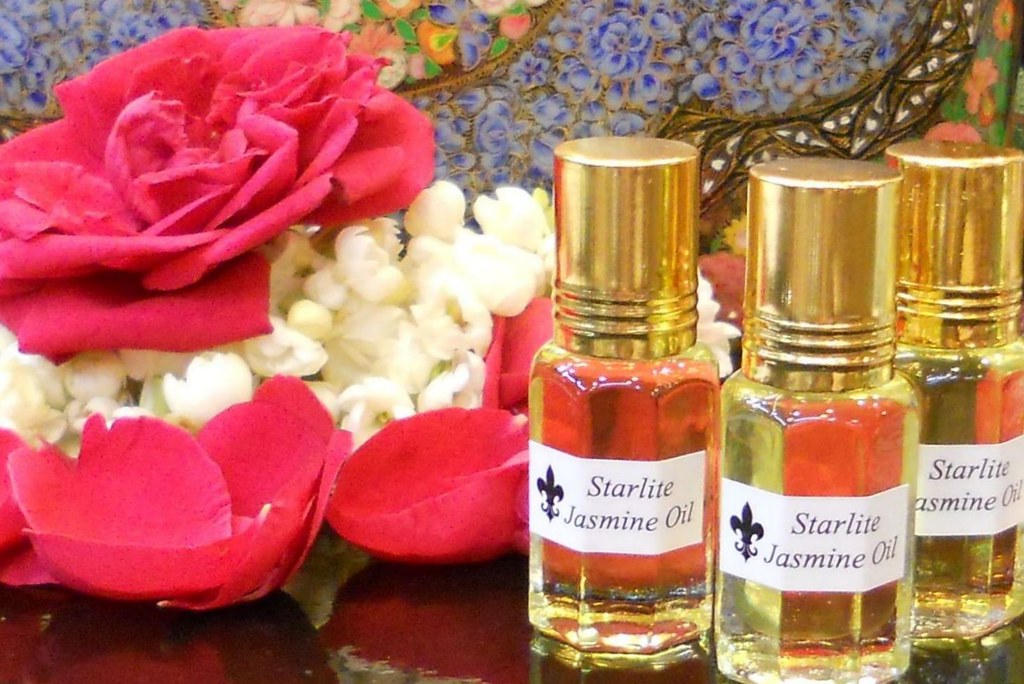
Some natural ingredients genuinely earn their reputation. Aloe soothes and hydrates. Certain plant oils make good moisturizers. A simple gentle face cleanser with mild botanical ingredients can be lovely. The point is not to dismiss natural skincare, it is to treat it with the same scrutiny you would give anything else.
Watch out for the "free-from" labels too, the ones that loudly advertise the absence of some ingredient with a scary-sounding name. Often the ingredient was never harmful at the concentrations used, and the label is fear-marketing dressed up as transparency. A product is not better because of what it lacks on a sticker. It is better because of what it contains and how it performs on your particular face over weeks of honest use.
The reasonable middle ground
Use natural products if you like them, but drop the belief that natural means safe and synthetic means dangerous. Read ingredient lists, patch-test everything, stay open to synthetic options when they are the better tool, and never skip the fundamentals that no product replaces: facial sunscreen daily, decent hydration, a sensible diet, and gentle cleansing. Natural skincare is a legitimate preference. It is just not a magic shortcut, and the brands hoping you will not notice the difference are counting on you to never read the back of the bottle.
Ready to shop? Compare natural face moisturizer across stores →