Managing Stress as You Get Older: Real Tactics
Stress doesn't announce itself as a health problem. It shows up as a headache, a short fuse, a night of bad sleep — and you file each one separately, never noticing they're the same thing wearing different clothes.
This is the practical breakdown: what stress actually does to an aging body, where it tends to come from, and the concrete tactics that turn the volume down. Not all stress is the enemy — a little keeps you sharp. The goal isn't zero; it's balance. And this is environment and habit advice, not medical advice, so anything that feels bigger than a rough patch belongs in front of a doctor.
What it's actually doing to you
Unmanaged stress is hard on the heart, full stop. It pushes blood pressure up, frays the nervous system, and over time wears on the body in ways that show up as real illness. It also hijacks the soft stuff — your mood, your thoughts, your behavior — until you feel worthless and stuck, which is its own trap because that feeling makes you act in ways that create more stress. Left alone, it'll grind you down to nothing. That's the case for taking it seriously instead of toughing it out.
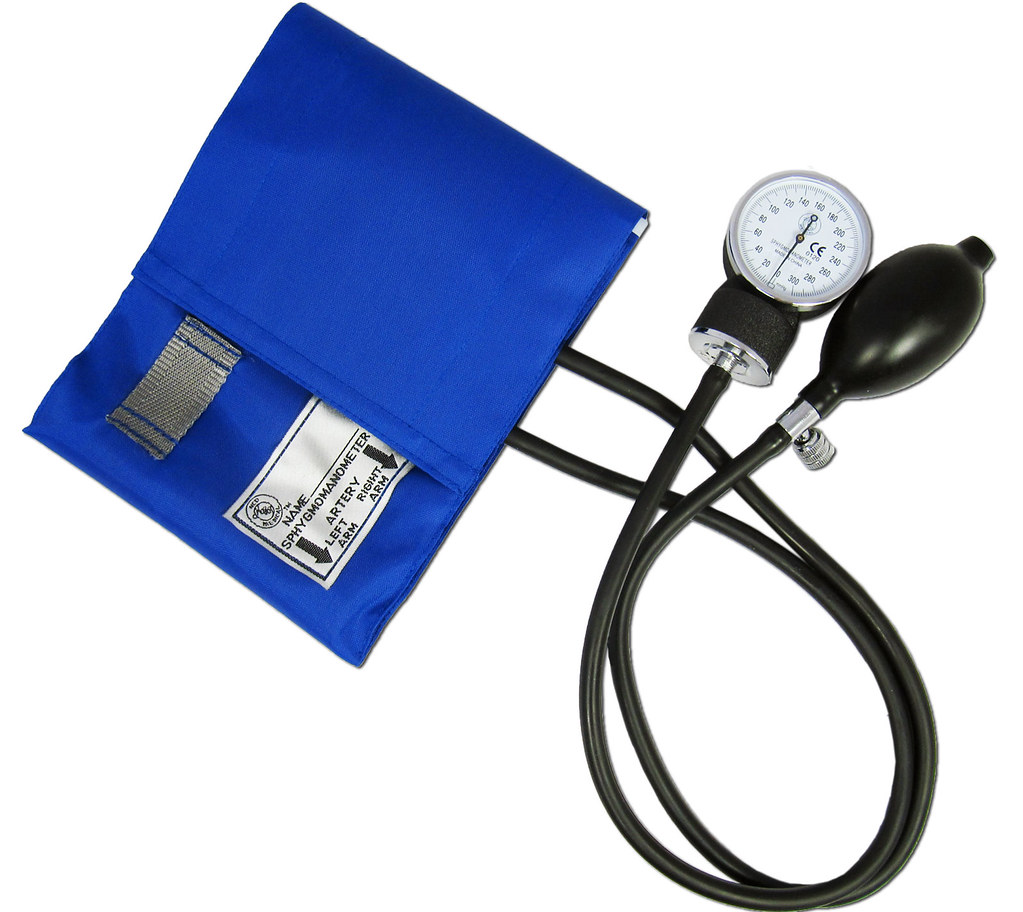
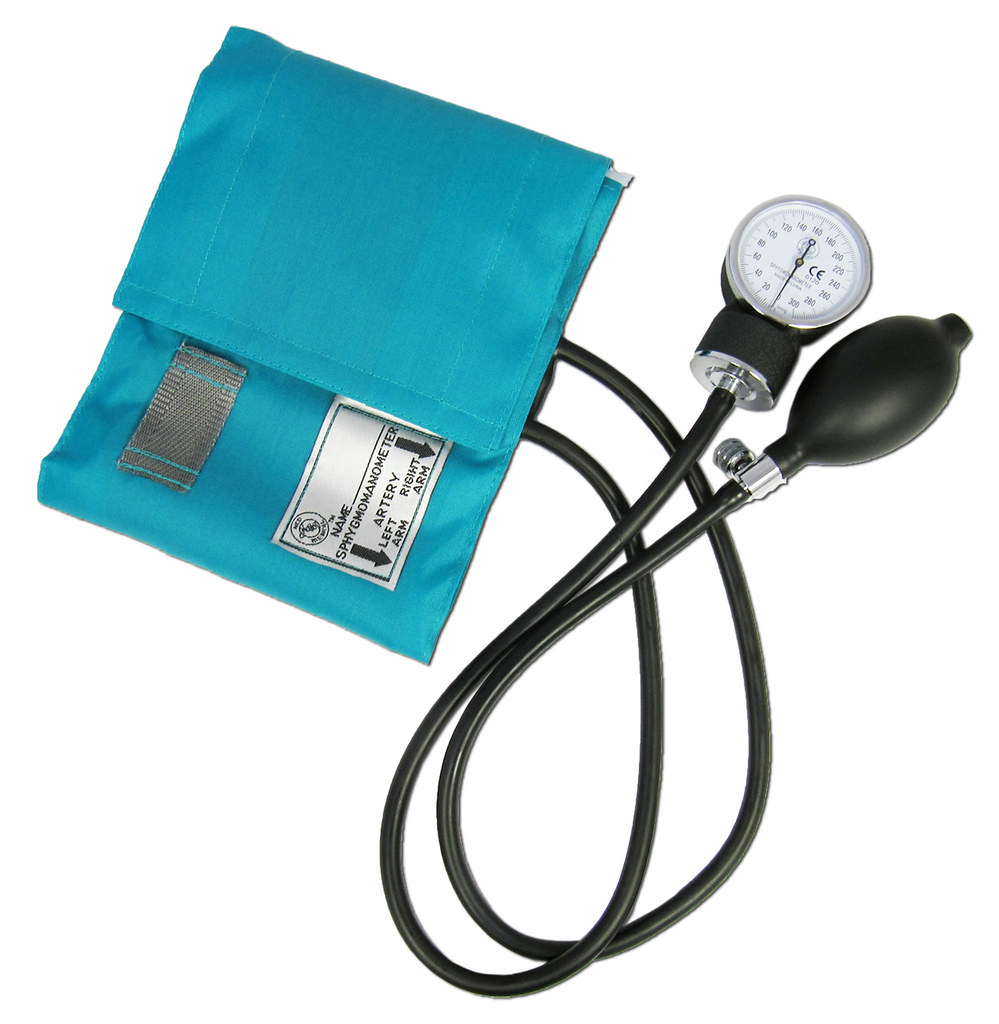
Knowing your own baseline helps. A home blood pressure monitor turns "I feel wound up" into a number you can watch, and watching it drop after you change something is its own motivation.
Find the source before you fight it
Stress comes from somewhere specific, and naming the somewhere is half the cure. For most people it's a short list: money and unpaid bills, the absence of a job or the chaos of too much to do, a bad relationship grinding on the nerves. You can't dissolve vague "stress," but you can do something about a specific late bill or a specific draining person. So get specific.
On the money side, the moves are concrete: pay on time where you can, pay enough to dodge a shut-off notice where you can't, and set up a real budget so spending stops being a guessing game. A simple budget planner makes the whole thing visible, and visible is less frightening than the cloud of dread. Help is often closer than you think — a phone call to local resources can surface assistance you didn't know existed.
The everyday relief valves
You need ways to actually discharge the pressure, and they're cheaper than people assume. Reading is one of the best — wrap up in a warm blanket, pick up a good book, and let your head go somewhere else for a while. Writing is even better; when you're overloaded, getting the feelings and thoughts down on paper genuinely lightens the load. A journal is the whole toolkit for that, and you don't have to be good at it.
Then there's the body-level stuff. A hot bath with a few candles around the tub sounds like a cliché because it works — a little bath bombs or some essential oils in a diffuser turns an ordinary evening into a deliberate reset. The specific method matters less than having one you'll actually reach for. Go with whatever works for you.
Cut the inputs that keep you wound up
Some stress is self-fed and you can starve it. Minimize the bad habits — smoking, drinking heavily, anything that's quietly fraying your nerves while pretending to soothe them. They feel like relief and deliver the opposite. If quitting on your own is too much, that's a reason to seek help, not a reason to keep going. Replacing them with something that actually calms you — exercise, a weighted blanket for sleep, a regular walk — fills the gap they leave.

Build the right support, drop the wrong people
You don't have to manage this solo, and you shouldn't try. A doctor, a counselor, a friend, a family member who actually steadies you — any of them can guide you toward relief. Build a support group that lifts you up rather than wears you down. The hard counterpart: if certain people in your life are a steady source of negativity, it's fair to let them go and find positive company instead. Sometimes tough love is just quietly saying "I've had enough," and protecting your own nerves is a legitimate reason to do it.
Stress is going to be part of aging — there's no version where it disappears. The win is keeping it balanced: knowing where it comes from, having reliable ways to discharge it, cutting the inputs that feed it, and surrounding yourself with people who help. Do that, and it stays a weather system you pass through instead of a force that ages you before your time.
Ready to shop? Compare blood pressure monitor across stores →