The Makeup Brushes That Actually Matter (Skip the Rest)
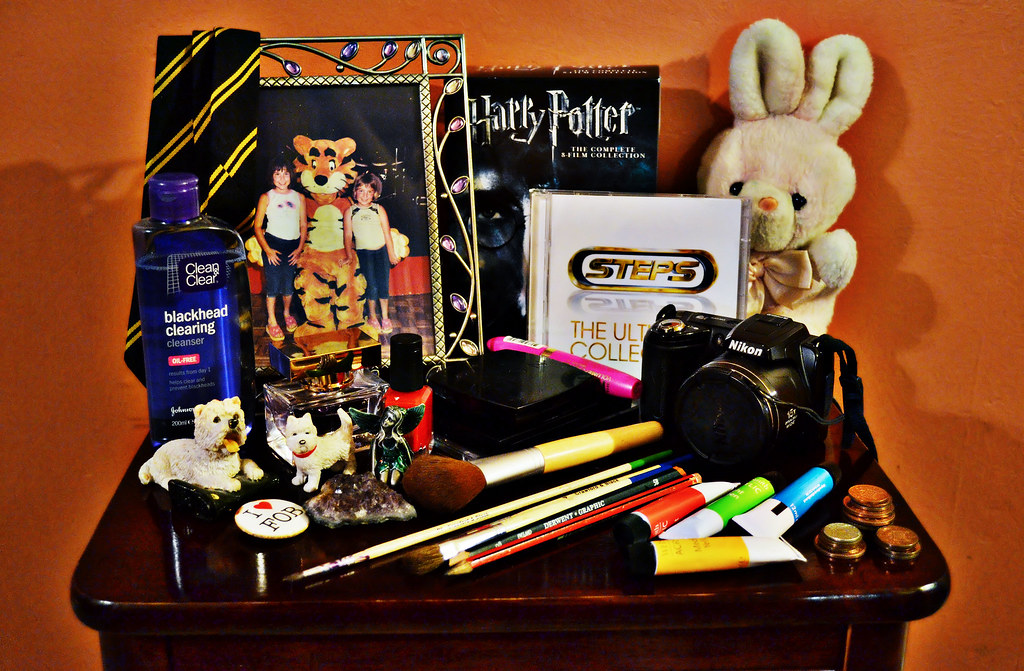
Somewhere along the way, the beauty industry convinced everyone that a competent face requires a 24-piece brush set in a faux-leather roll. I owned one. I used four of them. The rest sat there looking professional while doing nothing, because most of those brushes exist to make the set look like a bargain, not because anyone needs a separate brush for nine eyeshadow techniques. Here's the short list that actually earns counter space, and the ones you can ignore guilt-free.
The base brushes that do 80% of the work
If you wear any kind of complexion product, you need a way to apply it well, and the tool changes the finish more than the product does. For liquid or cream foundation, the honest answer for most people isn't a brush at all — it's a damp makeup sponge. A damp sponge presses product into the skin for a natural, skin-like finish, doesn't leave streaks, and is nearly impossible to mess up. The tradeoff: sponges soak up more product and need replacing every few months because they harbor bacteria. That's the deal, and it's worth it.
If you prefer a brush for more coverage and less product waste, a dense foundation brush with synthetic bristles buffs liquid in beautifully. Synthetic is non-negotiable for anything wet — natural hair drinks the product. For setting powder, blotting, or applying a finishing powder, a big fluffy powder brush gives a light, even dusting; a small dense one cakes it on. Size genuinely matters here.
The brushes that make a real difference on the face
Blush and bronzer are where the wrong brush ruins everything. Apply blush with a brush that's too big and dense and you get a clown stripe you can't soften. An angled blush brush with some give places color where cheeks naturally flush and diffuses the edges. This is the brush people most often skip and most need — it's the difference between "healthy glow" and "I clearly applied this myself in a hurry."
For anyone doing contour or cream products, a contour brush with a tapered or angled shape carves a believable shadow under the cheekbone. But here's the honest caveat: most people do not need to contour, and a heavy hand here looks far worse than no contour at all. If you're not sure, skip it. A natural face beats a badly drawn one every single time.
Eyes: two brushes, not twelve
Eyeshadow sets are the biggest scam in the brush world. A "complete eye set" might have nine brushes that, to anyone who isn't a professional makeup artist, are functionally three brushes in slightly different sizes. You need a flat eyeshadow brush to pack color onto the lid, and a fluffy blending brush to diffuse it into the crease so there are no harsh lines. That's a complete, capable eye look for 95% of people.
Want sharper definition? Add one small angled eyeliner brush for gel liner or to smudge along the lash line. That's three brushes total, and the third is optional. The "smudger," the "pencil brush," the "detail crease brush," the "tapered transition brush" — these are real tools real artists use, but for everyday eyes they're a way to inflate a set's piece count. Don't let the number on the box make you feel underequipped.
What to skip, and what to spend on instead
Skip: the giant fan brush (a solution looking for a problem), the dozen tiny near-identical eye brushes, anything labeled "for highlight, contour, AND blush" as if one shape does all three well — it doesn't. Skip the kabuki brush that comes free with everything. And skip natural-hair brushes for any wet product, full stop.
What to actually spend on: synthetic bristles that don't shed into your foundation, and a real brush cleaner. Dirty brushes are a leading cause of breakouts people blame on their skincare. A makeup brush cleaner and a weekly wash extend a cheap brush's life for years and keep bacteria off your face. I'd rather own five clean cheap brushes than twenty filthy expensive ones — and so would your pores.

One more underrated buy: a silicone makeup brush mat for washing. It sounds frivolous, but it's the difference between brushes that actually get clean and a sad swirl-in-the-palm that leaves product trapped at the base. Trapped product is where the bacteria lives.
How to build your kit without overbuying
Resist the set. Buy individual brushes for what you actually use. If you only wear concealer and mascara, you need a sponge or a single small brush and that's it — buying a 16-piece kit "to be ready" just means storing fifteen brushes you'll never touch. The set always looks like better value per piece, but value per piece you use is the only math that counts, and on that math singles win.
Start with the sponge and one fluffy powder brush. Add a blush brush and an eye duo when you feel limited. Let your actual habits, not a starter-set marketing page, tell you what's missing. You'll end up with a small kit you reach for daily instead of a beautiful roll of guilt.
Ready to shop? Compare silicone makeup brush mat across stores →