Living Well With a Chronic Diagnosis as You Age
Hearing that you have a serious illness — cancer, heart disease, something chronic — lands hard, mentally and emotionally. The instinct can swing between wanting to fight and wanting to give up. The thing I have watched make the biggest difference is whether someone takes control of the disease or lets the disease take control of them. That choice is not about toughness; it is about a few practical, repeatable steps.
This is absolutely not medical advice — your doctors run the medical side. But the human side of aging well with a diagnosis follows some patterns worth knowing.
Acceptance is the first real step
The starting point, and the hardest, is accepting that you are sick. It sounds simple and it is not, but if you are mentally able to, getting there changes everything that comes after. Acceptance is not surrender — it is what lets you actually understand the disease and move to the next step instead of staying stuck.
A useful reframe: you are not the disease. The illness is something reducing your ability to function fully, but it is not your identity, and you can still function well by taking the right actions. Keeping a simple medication organizer or a health journal to track how you actually feel day to day turns a vague, frightening thing into something you can observe and manage.
Learn your condition, then get a second opinion
Once you have accepted it, learn about it. Reliable information helps you understand what you are dealing with and can point you toward interventions, preventions, and sometimes treatments you had not heard of. Your family doctor is a primary source here — learn everything you can from them.
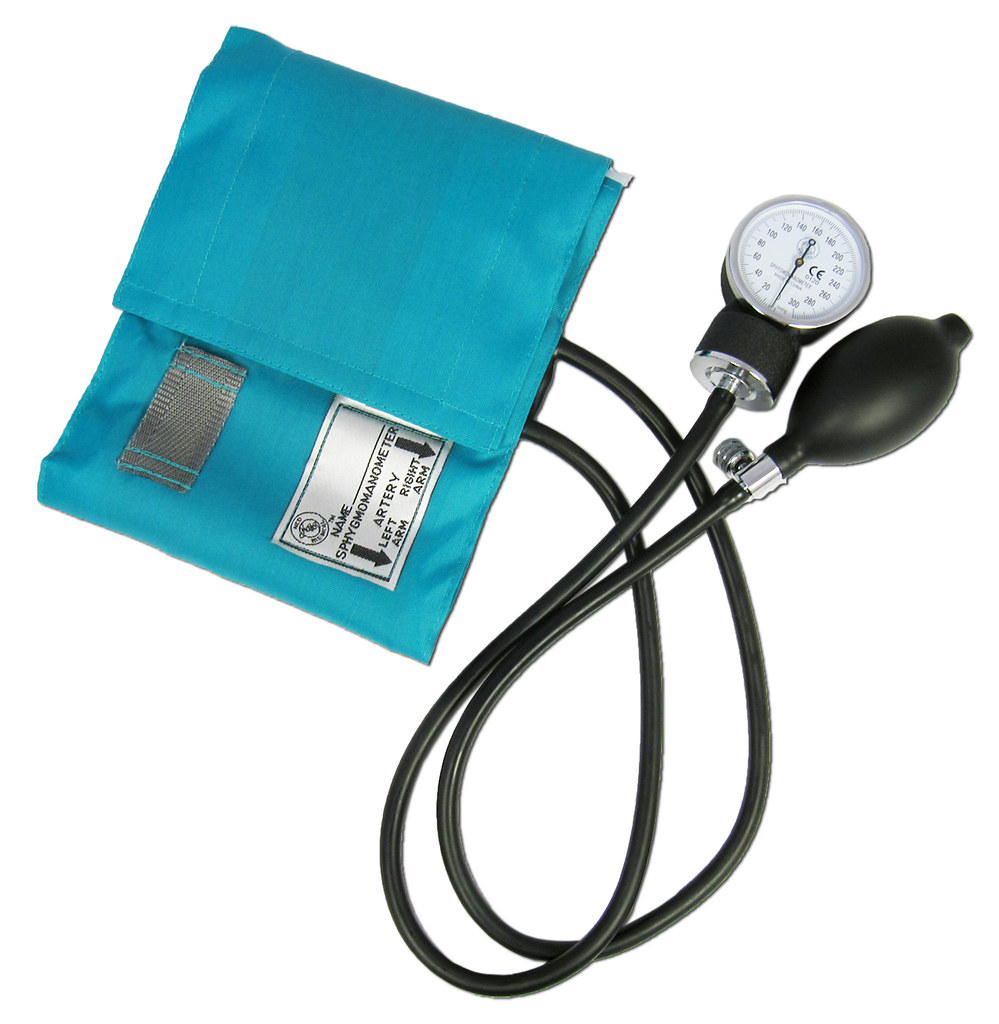
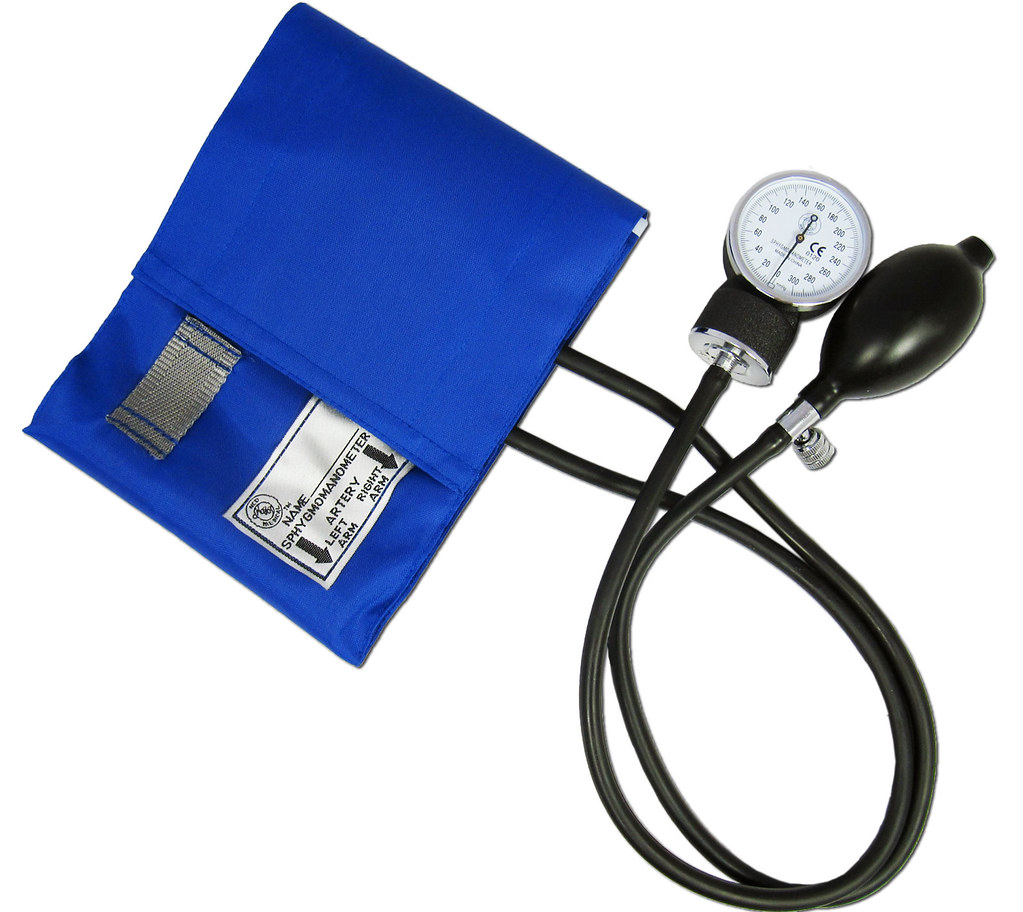
And get a second opinion. With any serious diagnosis, a second qualified perspective is genuinely important, especially if something does not sit right with you. Start with your family doctor, but keep seeking until you find a doctor you are comfortable with — sadly that can take a few visits. A good blood pressure monitor or other at-home tracking device, used as your doctors direct, can give those conversations real data instead of guesswork.
The emotional weight is part of the illness
It would be dishonest to skip this. Most serious illnesses bring depression along with them. You may want to be alone, ride out mood swings, push people away, or feel hopeless for stretches. That is a normal part of the experience, not a sign you are handling it wrong.
The counter-move that doctors push, over and over, is to express your feelings rather than bottle them. Expressing emotion is itself part of fighting for a healthy life as you age — it is not separate from the medical work. Even small comforts help carry the weight; a weighted blanket for the hard nights is a tiny thing that some people find genuinely steadying.
Stay connected, however you can manage it
Isolation makes everything worse. The push is to socialize and resist the pull to hide in your room — be social, let people in, and do not face it alone. Remember there are people who care about you, and giving up gives up on them too.

A support group is worth real consideration. We all need support, and there is something specific about being with people who actually understand your disease — you can vent your emotions there in a way that follows your doctor's advice and builds genuine friendship. If going out is too much some days, a pet can be a remarkable bridge: it will walk with you, sit with you, and be a steady companion through the whole thing. Even a comfortable pair of walking shoes for a short loop with the dog counts as both connection and care.
Keep the basics running
Underneath all of it, the daily fundamentals keep you in control. Make every doctor's appointment — staying on your toes is how you keep the disease managed rather than managing you. When you feel blue, walk, even if it is just laps around the house, because movement keeps you strong in body and mood.
And help yourself where you can: eat right, and take any vitamins or supplements your doctor recommends to support your strength. A fitness tracker to nudge a little daily movement, regular check-ins, expressed feelings, and people around you add up to living well, not just living with. A diagnosis changes the road; it does not have to end the journey.
Ready to shop? Compare blood pressure monitor across stores →