

How to Shop for Skincare Without Wasting Money on Hype

The skincare aisle is designed to make you spend more than you need to, on more products than you should own. After years of buying the wrong things, here is how I actually shop now, and how much less I waste.
Most skincare regret comes from buying based on the wrong information: an ad, a trend, a friend's rave about a product that suited their completely different skin. The products that work for you are determined by a few unglamorous variables, and once you learn to shop by those instead of by hype, your hit rate goes way up and your spending goes way down.
Start by knowing your skin type
This is the foundation, and most people skip it. Skin is broadly dry, oily, combination, normal, or sensitive, and the right product for each is genuinely different. Oily skin wants lighter, oil-free, non-comedogenic formulas. Dry skin wants richer, more occlusive ones. Sensitive skin wants fragrance-free and minimal. Buying a heavy cream for oily skin or a mattifying gel for dry skin is setting money on fire, no matter how good the product is in the abstract.
Your skin type also changes over time and with the seasons, so the facial moisturizer that suited you five years ago may not suit you now. Re-evaluate periodically rather than assuming your needs are fixed. A product that stops working is often a sign your skin changed, not that the product went bad.
Buy for a need, not for a collection
Before you buy anything, name the problem it solves. Dryness? Breakouts? Dullness? Sun protection? If you cannot articulate what a product is for, you are buying a feeling, and feelings make for an expensive cabinet full of half-used jars. The core needs for most people are short: cleanse, moisturize, protect from the sun. A gentle face cleanser, a moisturizer matched to your skin type, and a daily facial sunscreen cover the essentials for almost everyone.

Everything beyond that should target a specific concern you actually have. A retinol serum for aging or texture, a vitamin c serum for dullness and antioxidant protection, a salicylic acid cleanser for congestion. Add these one at a time, for a reason, not because a sale made them feel urgent.
Form is preference, not performance
Products come as creams, lotions, gels, serums, oils, and masks, and people waste energy debating which form is superior. There is no universally best form. A gel and a cream can deliver the same active ingredient, and the right one is simply the texture you will actually use consistently and that suits your skin. If you hate how something feels, you will not use it, and an unused product works for no one regardless of how good it is. Buy the form you will reach for.
Patch-test before you commit
The same product genuinely performs differently on different people, which is why reviews are only a starting point. Before you integrate anything new into your routine, test it on a small, discreet patch of skin for a couple of days. Reactions are not always immediate, so a real test runs longer than a single application. This one habit prevents the worst outcome in skincare shopping: discovering a product breaks you out or irritates you only after you have committed it to your whole face.
And if you have an actual skin condition, see a dermatologist before spending on a stack of products. Treating eczema or persistent acne by trial-and-error at the cosmetics counter is slower and more expensive than getting it diagnosed properly once.
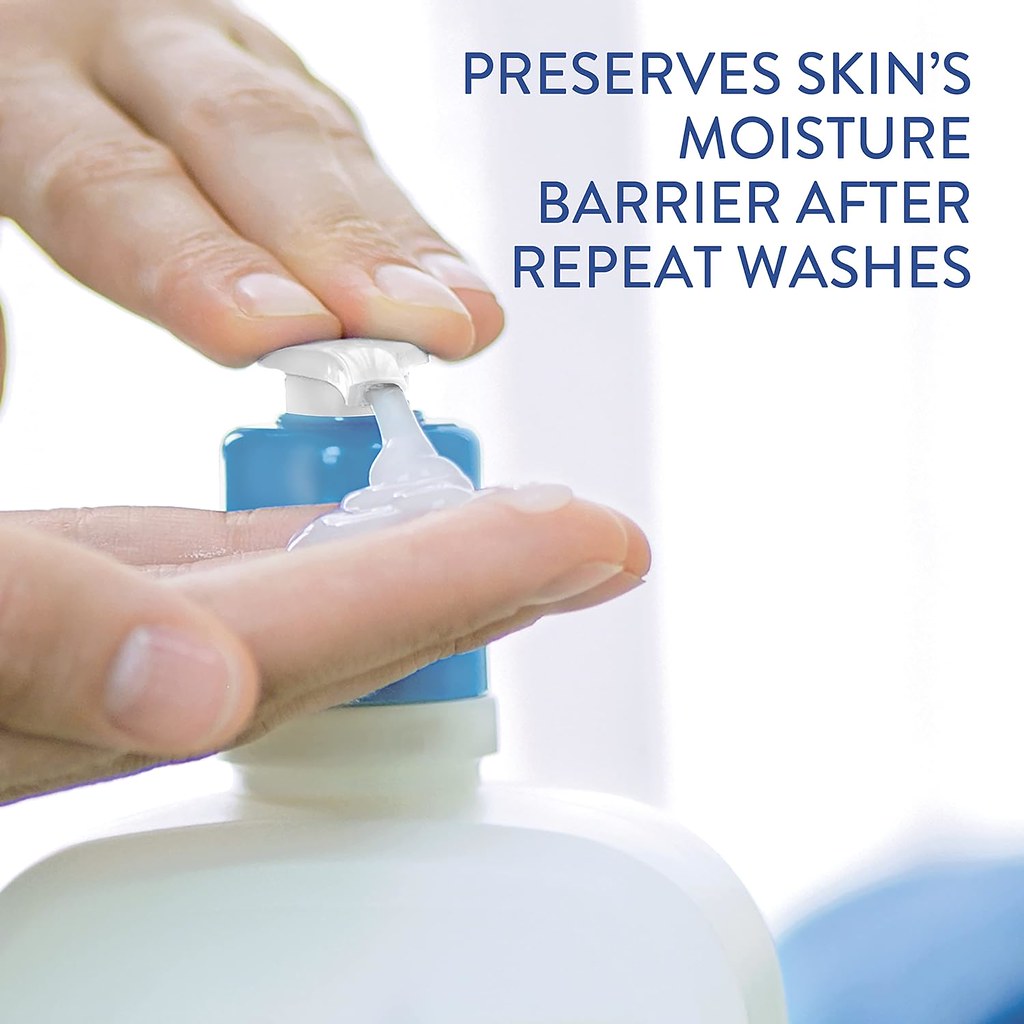
Price is the worst quality signal
Expensive does not mean effective. A huge share of a luxury product's price is packaging, brand, and advertising, not superior ingredients. Drugstore brands frequently use the same proven actives as the prestige lines. Shop the ingredient list and the suitability for your skin, not the price tag or the prestige of the name. Some of the best, most evidence-backed products in skincare are also the cheapest, which the marketing works very hard to keep you from noticing.
The short version
Know your skin type, buy for named needs, ignore the form debates, patch-test everything, and refuse to equate cost with quality. Build a small core of cleanser, moisturizer, and sunscreen, then add targeted products one at a time and only when you can say what each is for. Do that and you will own fewer products, waste far less money, and, ironically, have better skin than the person whose bathroom shelf is collapsing under impulse buys.
Ready to shop? Compare gentle face cleanser across stores →