

How Often Should You Exfoliate Your Face? An Honest Answer
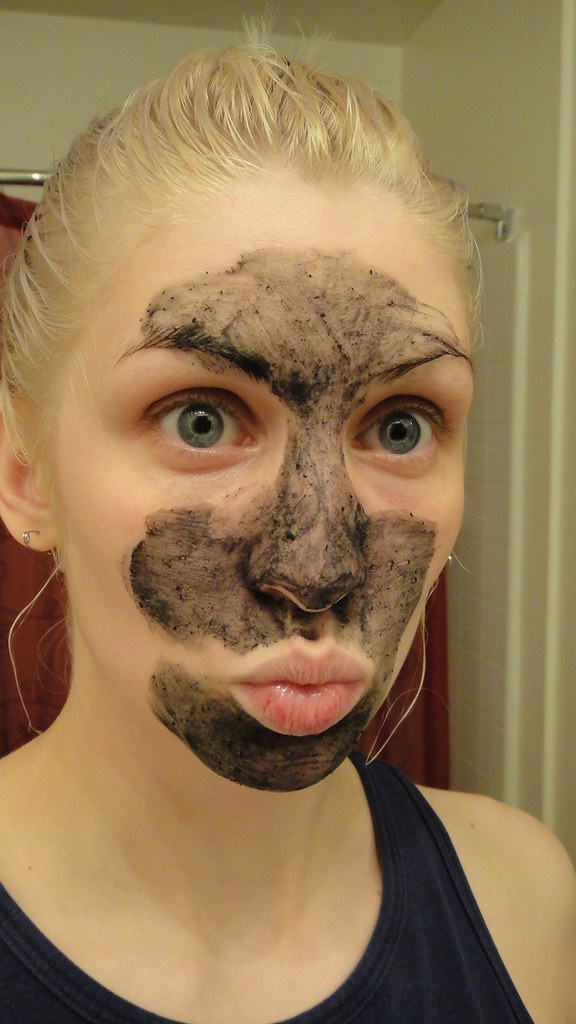
Exfoliation is the step people treat like a virtue, as if more is always better. It is the one place where doing less consistently outperforms doing more aggressively, and most damaged-looking skin I see is over-exfoliated, not under.
Your skin renews itself on a cycle, shedding dead cells from the surface roughly every few weeks. That process slows with age, which is why older skin can look duller and rougher. Exfoliation simply helps that natural shedding along, clearing away the buildup that makes skin look flat and clogs pores. It is genuinely useful. The problem is that the cosmetics industry has convinced people that if a little is good, a lot must be transformative, and that is where skin gets wrecked.
Physical versus chemical, and why it matters
Physical exfoliants are scrubs and brushes that slough off dead cells through friction. They feel satisfying, which is exactly the trap, because that immediate smoothness can come from microscopic damage to your barrier. The worst offenders are gritty scrubs with sharp, uneven particles. If you use a scrub at all, it should feel gentle, and you should never feel like you are sanding your face.
Chemical exfoliants do the same job more evenly. Alpha hydroxy acids like glycolic and lactic acid work on the surface and are good for dullness and texture. Beta hydroxy acid, mainly salicylic acid, is oil-soluble and gets into pores, making it better for congestion and blackheads. A well-formulated exfoliating serum or a salicylic acid cleanser gives you far more control over intensity than a scrub, because you can adjust frequency and concentration.
So how often, really?
For most people, one to three times a week is the honest answer, not daily. If you have normal-to-oily skin and you tolerate it well, two or three times weekly is fine. If your skin is dry or sensitive, once a week, sometimes less, is plenty. Daily exfoliation is something only a minority of skin types handle, and even then usually with a very mild formula. The goal is to support your skin's renewal, not to force it.
Climate changes the math. In a hot, humid environment with more sweat and oil, your skin may want slightly more. In dry winter air, dial it back hard, because your barrier is already under stress from the cold and low humidity. Listen to the season as much as the calendar.
Age and skin condition shift it too. Younger skin renews faster and often tolerates a bit more, while mature skin renews more slowly and can look dull without occasional exfoliation, but it is also thinner and more easily irritated, so the gentlest effective approach wins. If you have acne, rosacea, or any inflammatory condition, exfoliate cautiously and ideally with guidance, because the wrong product on already-angry skin makes everything worse fast.
The signs you have gone too far
Over-exfoliation does not announce itself as obvious damage at first. It shows up as skin that suddenly stings when you apply products that never used to bother you. It looks tight, shiny in a taut way rather than dewy, sometimes red, and paradoxically it can break out more as the barrier fails. People often respond to this by exfoliating harder to "fix" the texture, which is pouring fuel on the fire.
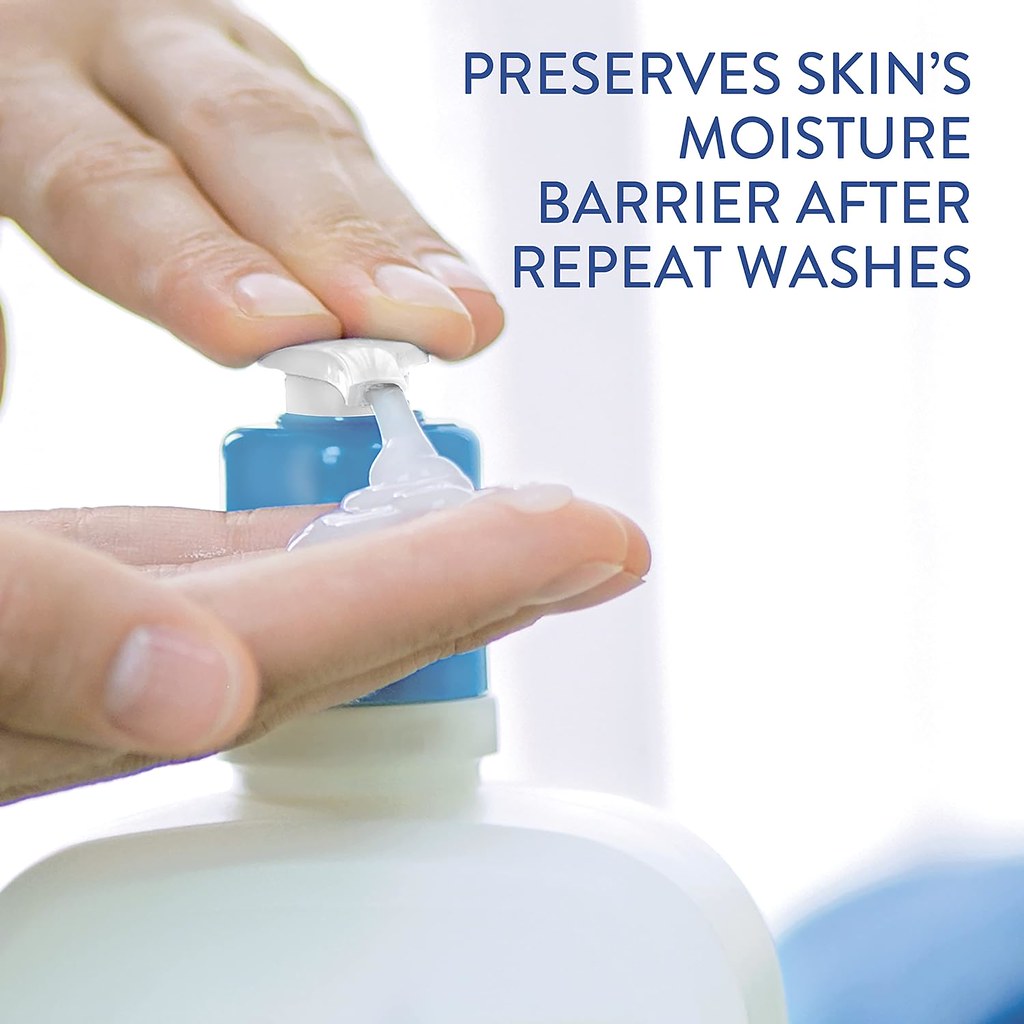
If you recognize that picture, stop all exfoliation completely for two to three weeks. Cleanse gently with a gentle face cleanser, pile on a basic facial moisturizer, and let the barrier rebuild. Skin is remarkably good at recovering when you simply stop attacking it. Once it calms, reintroduce exfoliation at half the frequency you were using before.
What to pair it with
Exfoliated skin is more vulnerable to the sun, full stop. Acids in particular increase sun sensitivity, so daily facial sunscreen is not optional if you exfoliate. Skipping it undoes the smoothing you were after by accelerating sun damage on freshly exposed skin. Follow exfoliation with hydration too, because a good moisturizer locks in the benefit and softens any sting.
If you are also using a retinol serum, be careful about stacking. Retinoids and strong acids on the same night is a fast track to irritation for most people. Alternate them on different nights instead, and your skin will thank you with steadier results and far fewer flare-ups.
The takeaway
Exfoliation is a supporting actor, not the star. Done right, it is a couple of times a week with a gentle product, followed by moisturizer and sunscreen, adjusted down whenever your skin complains. The smoothest, healthiest skin almost never belongs to the person exfoliating the most. It belongs to the person who figured out the minimum that works and refused to push past it.
Ready to shop? Compare gentle face cleanser across stores →