
Getting Real Sleep as You Age: What Actually Helps
The cruel joke about aging and sleep is that you need it as much as ever and your body makes it harder to get. If you're lying awake at three in the morning wondering what's wrong with you — probably nothing. This is just what changes.
Here's the practical version: why sleep gets harder as you age, what's actually stealing it, and the concrete things that help. Sleep sits right alongside diet and exercise in importance, and it's the one people are most likely to shrug off. This isn't medical advice — chronic insomnia or sleep apnea is a doctor's territory — but a lot of bad nights come down to fixable habits.
Why it gets harder, honestly
Aging shifts your sleep pattern, full stop. It becomes genuinely harder to fall into deep, restful sleep and to wake up feeling like you actually rested. That's normal, not a personal failing. Worth knowing: women tend to struggle more than men in these years, partly because stress lands heavier and partly because the routines that protect sleep are easier to let slide when life is busy.
The stakes are real, too. Stretches of bad sleep aren't just unpleasant — they dull your alertness through the day and, over time, push blood pressure up and strain the heart. So this isn't about feeling groggy. It's a health input worth protecting.
What's actually waking you up
Most lost sleep traces to a specific, nameable cause. Sometimes you're sleeping, but light — you surface instead of dropping into the deep REM you need. Sometimes it's pain that jolts you awake, arthritis being a common culprit. Heartburn, snoring, muscle spasms, a stressful day bleeding into the night, or low mood can each do it. The point is that "I just can't sleep" usually has a reason underneath, and the reason is what you treat.
For the pain-related wakeups, the basics matter more than gadgets — but a supportive mattress or the right pillow for your sleep position can be the difference between waking at three and sleeping through. If you run hot, breathable bed sheets keep you from kicking the covers off all night.
The inputs to cut before bed
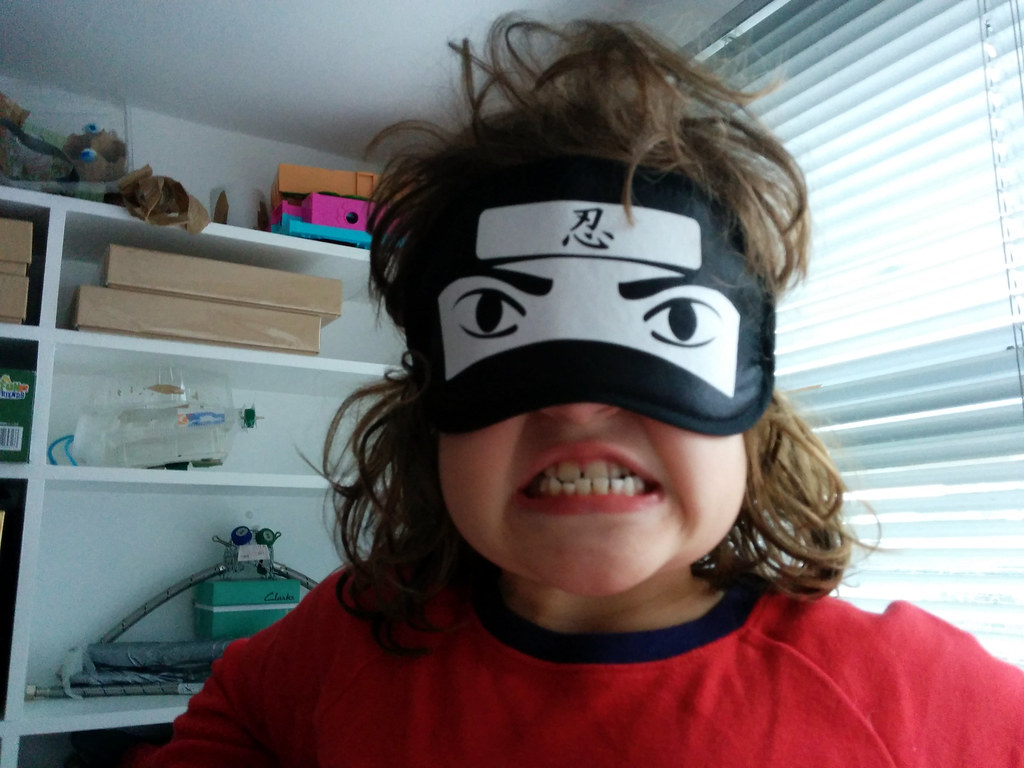
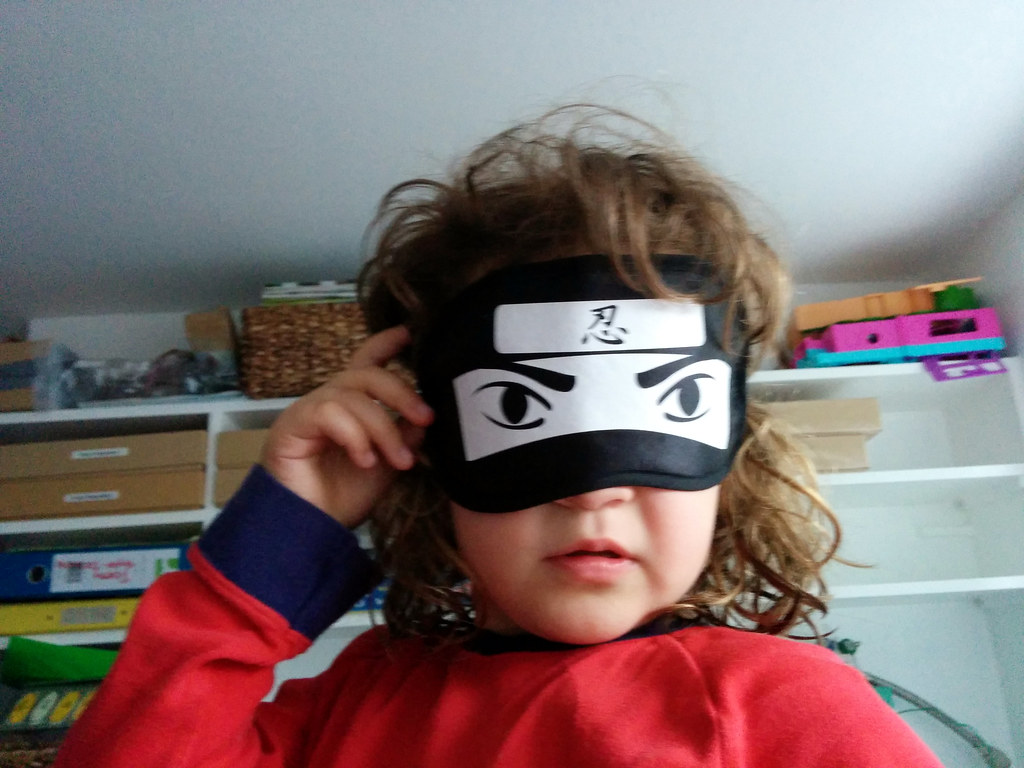
Some sleep thieves you can simply stop feeding. Caffeine, alcohol, and nicotine all wreck rest — try not to drink much of anything close to bedtime, and smoking does double damage by harming your body and stealing your sleep. Noise is another one: the TV or radio left on in the bedroom keeps you awake longer, not shorter, despite feeling soothing. If your room won't go quiet, a white noise machine masks the disruptions, and a sleep mask handles stray light that's surfacing you out of deep sleep.
Heartburn-prone? Ease off the foods that trigger it in the evening. And the bedroom is for sleeping — lying there scrolling or watching a screen trains your brain to treat the bed as an awake place, which is the opposite of what you want.
The pet problem nobody wants to hear
This one stings for animal lovers. As much comfort as a pet in the bed gives, it may be quietly costing you rest. Every time they move or snore, you register it, even half-asleep — and if you've got allergies, the pet might be the very thing breaking your sleep. The gentle fix is a dog bed of their own on the floor beside you. Same closeness, fewer 4 a.m. interruptions.
The small rituals that work
A couple of low-effort habits punch above their weight. Daytime napping is fine, but keep it under about 25 minutes — sleep longer in the afternoon and you've taken the edge off your tiredness right when you need it at night. Gentle exercise during the day eases the muscle spasms and arthritic aches that wake you. And the old standby holds up: a warm glass of milk before bed genuinely helps people relax, and there's research behind it, not just grandmothers. A little chamomile tea does similar work if milk isn't your thing.
Sleep as you age isn't a lost cause — it's a thing you manage. Find what's actually waking you, cut the inputs that sabotage you, fix the bed and the room, and protect the wind-down. Treat it with the same seriousness you'd give your diet, because it's pulling just as much weight in how well you age.
Ready to shop? Compare sleep mask across stores →