Fragrance-Free vs Unscented Skincare: The Difference Matters
If your skin flares for no obvious reason, there is a decent chance the culprit is fragrance, and the label trick that hides it is one of the most useful things you can learn for sensitive skin.
Fragrance is the single most common cause of skin reactions in cosmetic products. It is not always a dramatic allergy. More often it is a low-grade, cumulative irritation: skin that is a bit red, a bit reactive, that stings when you would not expect it to. People chase this with more products, when the fix is usually removing the scented ones they already own. The catch is that the labels are written to obscure exactly that, and the word "unscented" is the heart of the confusion.
Why "unscented" is not what you think
Here is the part nobody tells you. "Unscented" does not mean there is no fragrance in the product. It often means fragrance has been added specifically to mask the natural smell of the raw ingredients, so the product reads as having no scent. You are getting masking fragrance, which can irritate your skin exactly like any other fragrance, while believing you bought something gentle.
"Fragrance-free" is the term that actually means what you want: no fragrance ingredients added for the purpose of scent. It is not a perfect guarantee, because some ingredients have an incidental smell, but it is a far more reliable signal. If your skin is sensitive, train yourself to look for "fragrance-free" and treat "unscented" with suspicion. They sound like synonyms and they are nearly opposites.
Natural fragrance is still fragrance
People assume essential oils and botanical extracts are gentler because they are natural. For sensitive and reactive skin, the opposite is frequently true. Essential oils are concentrated and chemically complex, and some of the most notorious skin irritants are entirely natural, like certain citrus and floral oils. A product can be marketed as clean, green, and botanical and still be one of the worst things you could put on easily irritated skin. Natural is a marketing word, not a safety rating.
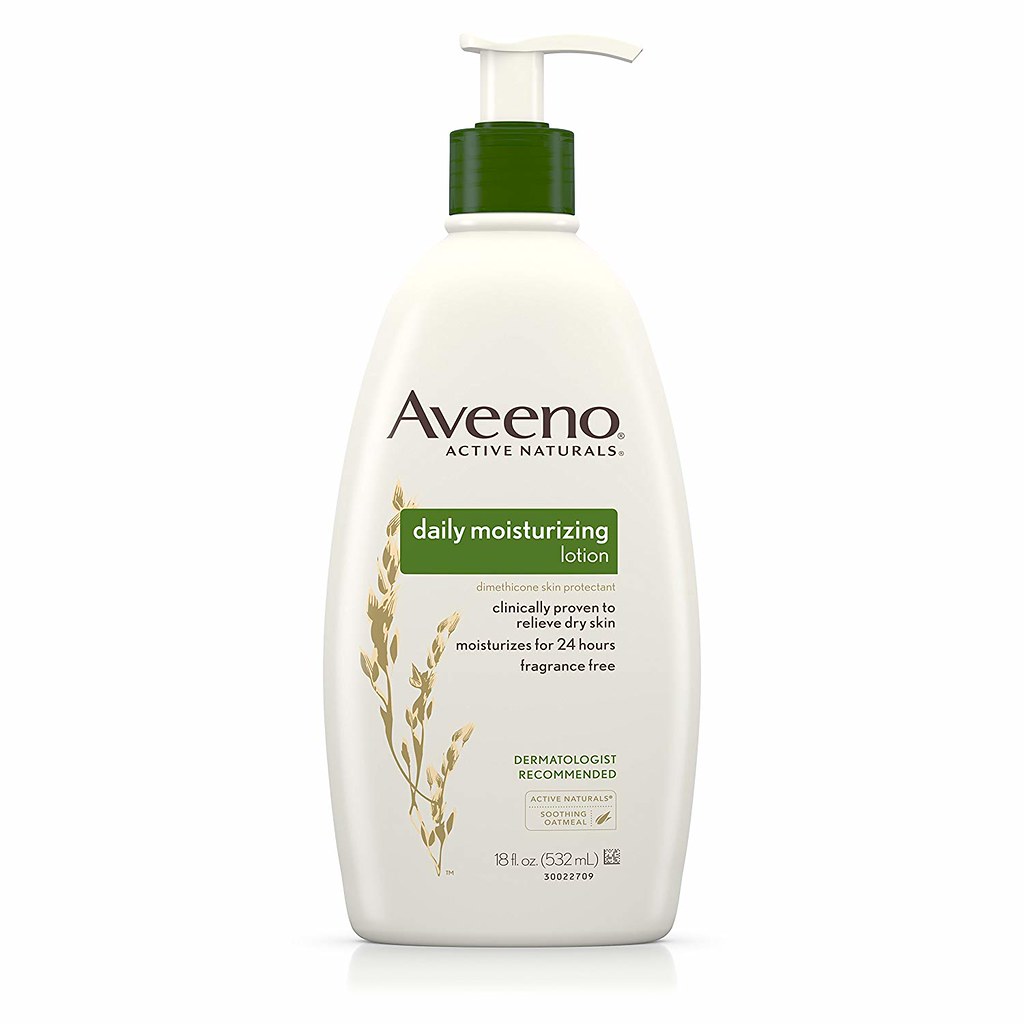
If you have reactive skin, a plain fragrance free moisturizer with a short ingredient list will almost always treat you better than an aromatic botanical blend, no matter how lovely the latter smells.
How to read a label without a chemistry degree
You do not need to memorize hundreds of ingredient names. A few habits cover most of it. Look for the words "fragrance," "parfum," or "aroma" in the ingredient list, since those are the umbrella terms that can hide dozens of undisclosed components. Be wary of long lists of oil names ending in plant species. And lean toward products that openly say "fragrance-free," ideally also "hypoallergenic," understanding that the second term, like non-comedogenic, is more of a reassuring intention than a regulated promise.
Build a simple core around this. A fragrance-free gentle face cleanser, a fragrance-free moisturizer, and a mineral facial sunscreen for sensitive skin form a calm foundation. Everything else you add gets judged against whether it keeps that calm.
Patch test like you mean it
Even fragrance-free products can disagree with your skin, so before you smear anything new across your whole face, test it. Apply a small amount somewhere discreet, like behind the ear or on the inner forearm, and leave it for a couple of days. Reactions are not always instant. A product can feel fine on day one and flare on day three, which is exactly why a real patch test runs longer than most people have patience for.

This matters most when you introduce anything active. A vitamin c serum or a retinol serum can be worthwhile for sensitive skin, but only in fragrance-free formulations and only introduced slowly, one at a time, so you can tell what your skin is actually responding to.
Keep a simple log if your reactions are confusing. Note what you used and when, and what your skin did over the following days. It sounds fussy, but when several products are in rotation, a flare is almost impossible to trace by memory alone. A few lines written down will often pin the culprit faster than any amount of guessing, and it stops you from blaming, and abandoning, a perfectly good product that was never the problem.
The bottom line
If your skin reacts and you have never suspected fragrance, start there before you spend on anything else. Swap your scented products for genuinely fragrance-free ones, ignore the "unscented" relabel, and give your skin a few weeks of calm to show you the difference. For a lot of people, the expensive sensitive-skin treatment they were about to buy turns out to be unnecessary once they simply stop irritating themselves daily with a smell they could not even see on the label.
Ready to shop? Compare fragrance free moisturizer across stores →