

Fiber and Your Gut: The Quiet Anti-Aging Habit
Fiber is the least glamorous nutrient in the building, and also one of the most useful as you age. Nobody puts it on a magazine cover, but your arteries notice it every day.
We spend our whole lives leaning on a handful of unsung systems to keep us healthy. Soluble fats help protect the heart. Nutrients keep cholesterol in check. And fiber, the part of food your body cannot fully digest, quietly does a surprising amount of heavy lifting for aging well. Most adults get nowhere near enough of it.
This is not medical advice, and you should check with your doctor before any big dietary change, but the case for getting more fiber is about as solid as nutrition gets.
What fiber actually does for you
Fiber adds bulk and helps move things through your digestive system, which keeps you regular and comfortable. That is the obvious part. The more important part as you age is what it does upstream.
Soluble fiber helps lower the cholesterol your liver produces, and keeping cholesterol down means keeping your arteries clearer. Clogged arteries are the road to heart disease, so a daily fiber habit is genuinely cardiovascular protection in disguise. Fiber also helps steady blood sugar, which matters more every year.
How much you actually need
A reasonable daily target is around 30 grams of fiber, and most people fall well short. You do not need to count obsessively, but you do need to be deliberate, because a typical fast-food-heavy diet delivers almost none.
Build meals around vegetables, fruit, whole grains, beans, and lentils. Keeping a bowl of fruit and a stash of mixed nuts within reach makes the easy choice the default. A bag of rolled oats for breakfast is one of the simplest high-fiber upgrades you can make.
The weight-control connection
Here is the part that surprises people. High-fiber foods help with weight management, and not through magic. Fiber carries some calories along and out with it, and high-fiber meals are more filling, so you naturally eat less without feeling deprived.
That is a far healthier path than crash dieting or sketchy diet pills, including the fiber-based supplements that promise quick results. Whole foods beat capsules nearly every time. A good food scale for the first few weeks helps you see real portions, and a blender makes it easy to fold fruit, greens, and oats into a single filling drink.
Building the habit without misery
The trick is to ramp up slowly. Pile on 30 grams of fiber overnight when your body is not used to it and you will be uncomfortable. Add a little each day, drink plenty of water alongside it, and let your system adjust.
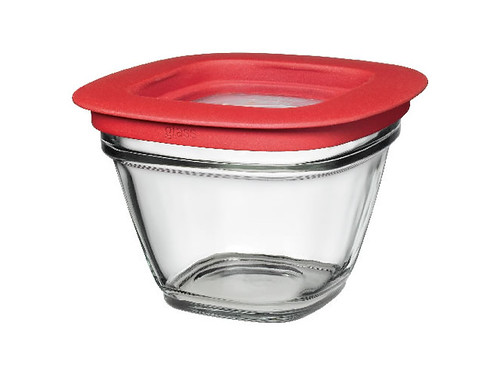
Prep helps. Keep washed vegetables ready in clear food storage containers so the healthy option is the lazy option. Batch-cook beans or grains on the weekend. The people who hit their fiber target consistently are almost always the ones who made it convenient, not the ones with more willpower.
Small habit, long payoff
Fiber will never be exciting. But heart disease, high cholesterol, diabetes, and unwanted weight gain are exactly the things that derail healthy aging, and a steady fiber habit pushes back on all of them at once.
Get your 30 grams, mostly from real food, ramp up gently, and let one of the most boring nutrients in your kitchen do years of quiet work on your behalf.
Ready to shop? Compare food storage containers across stores →