

Eating Right as You Age: Balance Over Rigid Rules
The food advice aimed at people getting older usually comes in two flavors: terrifying lists of forbidden things, or glossy promises about one magic superfood. Both miss the actual point, which is almost boringly simple. Your body runs on food the way a car runs on fuel — and like a car, it can be harmed by too little of the right thing and by too much of anything, even the good stuff.
This is not medical advice, and your doctor is the right person to set a real plan. But the underlying idea, balance over rigid rules, holds up well as you age.
Food is fuel, and the amount matters
The simplest way to think about it: you eat so it fuels your body, the same way you add gas to drive somewhere. With that frame, two failure modes become obvious. Too much food is bad for you, and not enough of the right food is also harmful. It is not just about what you eat but how much.
This reframes "dieting" away from punishment and toward fueling correctly. A kitchen food scale and a basic sense of portions do more here than any restrictive fad, because the goal is matching intake to what your body actually needs, not white-knuckling through deprivation.
Even good foods have a ceiling
Here is the part the superfood crowd skips: not all foods are good for you, and even the genuinely good ones stop being good past a point. Liver is loaded with iron, which is great for your blood — but too much is not good for you either. Fruit and vegetables are good for you, yet overdo the fruit and it turns into more sugar than you want, which causes its own problems, especially if you are watching your weight.
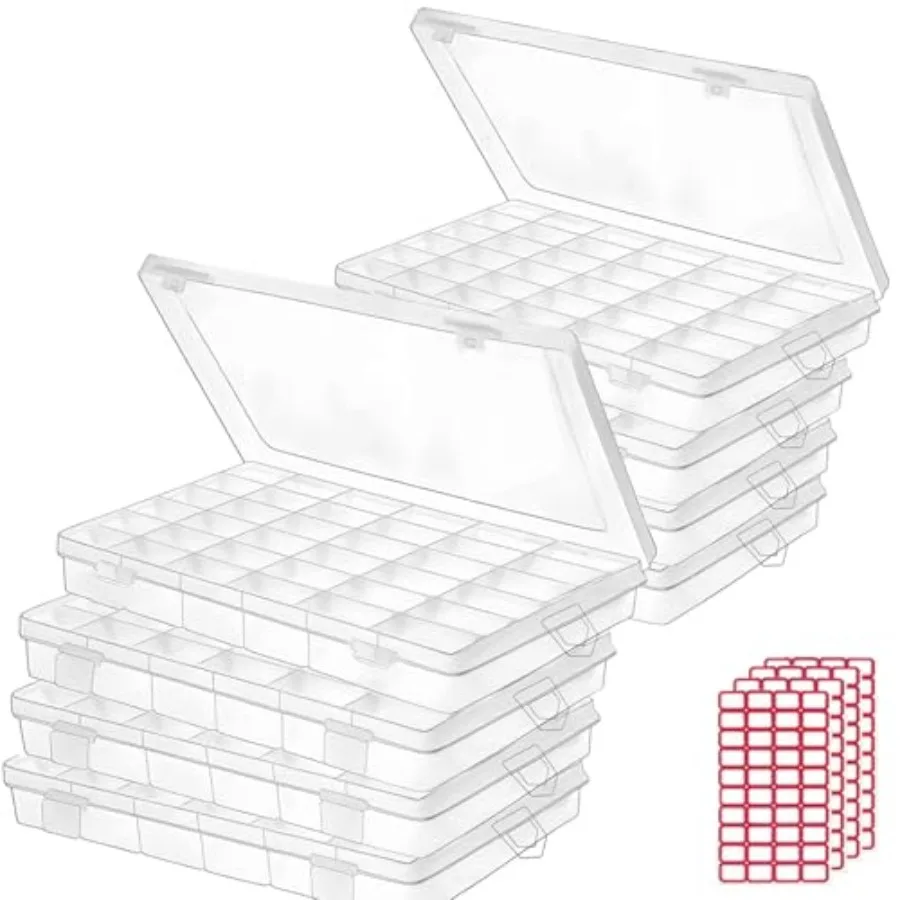
The lesson is balance, not maximizing any single thing. There is no food you should eat without limit. A meal prep container set makes portioning the good stuff as routine as portioning everything else, so "healthy" does not quietly become "too much."
Watch cholesterol and the long game
Some risks build quietly. You can develop high cholesterol from careless eating, and high cholesterol can lead to hardened arteries, which raises the risk of strokes and heart attacks. None of that announces itself day to day, which is exactly why it sneaks up on people.
So the watching-what-you-eat advice is not vanity — it is long-game health. This is also where your doctor earns their keep: they can tell from your weight and bloodwork whether you need to adjust, and in which direction. Some people need to lose, some to gain; it is not one-size-fits-all. A blood pressure monitor at home, used as your doctor advises, helps you keep an eye on the cardiovascular side between visits.
Use the four food groups and real numbers
A practical anchor: aim to eat from the four food groups, in the amounts you are actually supposed to, paired with the exercise you need. The catch is that eating right involves real numbers — counting calories and even weighing food — and that is genuinely a big job when you are getting started.
There is no shame in needing help with it. Your family doctor can teach you to count calories and portion correctly if you do not know how, and learning that skill once pays off for years. A simple calorie tracking app or notebook turns the abstract advice into something concrete you can actually follow, which is the difference between intending to eat right and doing it.
Goals, support, and willpower
Two things make it stick. First, set goals you can actually reach — make them too high and you will give up. Start small, then increase as you improve, and whatever you choose, stick with it, because it takes willpower and control. Support groups help enormously here; your local hospital can usually connect you to one, and meeting people with the same struggles gives you a place to trade encouragement.
Second, willpower itself is something you can build. Sit with yourself, figure out what you actually want, and as you understand yourself better you gain the willpower to push past what you thought you could do. That, more than any meal prep container set or kitchen food scale, is what carries healthy eating into a healthy, well-aged future. The tools help; the steady habit is the real thing.
Ready to shop? Compare meal prep container set across stores →