

DIY Skincare: What's Actually Safe and What Wrecks Your Skin
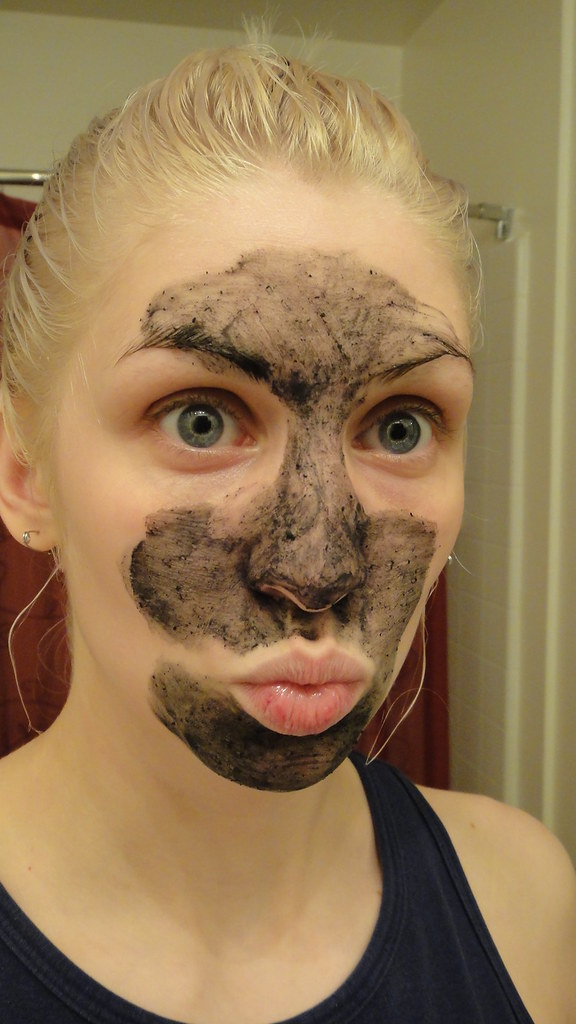
Homemade skincare has an irresistible appeal: cheap, natural, and yours. Some of it is genuinely good. Some of the most popular DIY recipes online will quietly damage your skin, and the internet rarely tells you which is which.
Long before the cosmetics industry existed, people cared for their skin with herbs, oils, and kitchen ingredients, and a lot of that knowledge was real. Aloe soothes, certain oils moisturize, some botanicals genuinely cleanse. The modern DIY movement taps into that, partly out of a healthy distrust of overpriced commercial products. But "I made it myself from natural ingredients" is not a safety guarantee, and the gap between a good homemade remedy and a skin-damaging one is wider than most recipe blogs admit.
The DIY ingredients that are genuinely safe
Plenty of homemade skincare is low-risk and lovely. Fresh aloe vera straight from the plant is a wonderful natural hydrant that soothes irritation and helps heal minor burns. Plain oatmeal makes a gentle, calming mask for irritated skin. Honey has mild antibacterial and humectant properties and is a safe face mask for most people. Simple plant oils used as moisturizers, like a light facial oil, work well for many skin types. These have long histories of safe use and rarely cause harm.
For everyday cleansing and moisturizing, gentle DIY approaches can absolutely supplement a routine. They pair fine with a basic gentle face cleanser and a facial moisturizer for the days you do not feel like mixing anything.
What unites the safe options is that they are gentle, simple, and not trying to force a dramatic change in your skin. They soothe, hydrate, and calm. None of them strip, burn, or claim to dissolve or brighten anything. That is the quiet rule of thumb: the homemade ingredients with centuries of safe use are the mild ones, and the trouble starts the moment a recipe promises a salon-grade result from your pantry.
The DIY ingredients that wreck skin
Now the part the recipe sites bury. Lemon juice and other citrus are everywhere in DIY brightening recipes and they are a genuinely bad idea. They are highly acidic, irritating, and they make your skin dramatically more sensitive to the sun, capable of causing real burns and dark patches. Undiluted essential oils are another common mistake. They are potent allergens and irritants that should never go straight onto skin. Baking soda disrupts your skin's natural protective acidity and can leave the barrier compromised. Abrasive scrubs made from sugar or coarse salt and crushed shells cause micro-tears.
The pattern is consistent: the DIY ingredients that promise dramatic results, brightening, deep exfoliation, instant cleansing, are usually the harsh ones. If a homemade recipe tingles, burns, or strips, that is damage, not efficacy. For real exfoliation or congestion, a gently formulated salicylic acid cleanser is far safer than anything you can grind up at home.
Why some things should stay store-bought
Certain active ingredients simply cannot be made safely at home. Stable, effective formulations of a retinol serum or a vitamin c serum depend on precise concentrations, the right pH, and stabilizers that keep the active from oxidizing into something useless or irritating. You cannot replicate that in your kitchen, and attempting to with raw ingredients usually produces something either inert or harmful. This is a case where the commercial product genuinely earns its price.
The same goes for sunscreen. Homemade sunscreen recipes circulate widely and they are dangerous, because there is no way to verify the protection level of a kitchen mix, and getting it wrong means real sun damage. Always buy a properly formulated facial sunscreen. This is not a place to experiment.
How to DIY responsibly
If you want to make your own skincare, stick to the gentle, well-established ingredients and treat anything acidic, abrasive, or undiluted with suspicion. Patch-test every homemade mixture exactly as you would a store-bought product, because natural ingredients cause allergies and reactions all the time. Make small batches and use them fresh, since homemade products lack preservatives and grow bacteria quickly, which is its own skin hazard. And never use DIY remedies to treat an actual skin disorder, where you need proven treatment, not a hopeful paste.
The honest balance
DIY skincare is not a scam and it is not a cure-all. The good recipes are simple, gentle, and forgiving. The dangerous ones promise the most and use the harshest ingredients. Keep your homemade routine to the soothing, hydrating basics, leave the actives and sunscreen to properly formulated products, and patch-test relentlessly. Used that way, a little homemade care alongside a few well-chosen store-bought essentials is a perfectly sensible, genuinely lovely way to look after your skin.
Ready to shop? Compare gentle face cleanser across stores →