Are Natural Skincare Products Really Better?

When it comes to skincare, plenty of people are devoted to natural products and treat anything synthetic as harmful to the skin. It's an understandable instinct — natural sounds gentler and safer. But is natural skincare really the answer to all our problems? What happens when no natural product exists for a particular skin issue? And are synthetic products genuinely so harmful that they should be avoided altogether? The honest answers are more nuanced than the marketing on either side suggests. Here's a clear-eyed look at natural versus synthetic skincare, so you can choose based on what actually works for your skin rather than on a label.
"100% natural" is harder to find than you'd think
Here's a reality that surprises many people: because of the need for preservatives, it's genuinely tough to find a skincare product that's 100% natural. Some natural products use natural preservatives instead of synthetic ones, but these tend to be more expensive and give the product a shorter shelf life — which is exactly why most manufacturers avoid them. So a great deal of what's marketed as "natural" still contains some synthetic components. The word "natural" on a label is loosely regulated and doesn't guarantee what you might assume, so it pays to read the actual ingredient list rather than trust the front of the bottle.
Natural doesn't automatically mean safe
The most important myth to drop is the idea that because a product is natural, it can't possibly harm your skin. That's simply not true. The suitability of a skincare product has nothing to do with whether it's natural or synthetic — an unsuitable natural product can harm you in almost exactly the same way an unsuitable synthetic one can. Plenty of natural ingredients (certain essential oils and plant extracts among them) cause irritation or allergic reactions. "Natural" is not a synonym for "gentle" or "safe"; some of the most potent allergens in the world are entirely natural.
Be open to synthetic products too
The sensible position is balance: use natural skincare products if you like them, but stay open to synthetic ones — you may genuinely need them when a natural solution isn't available or isn't effective for a particular concern. Many of the most thoroughly tested, evidence-backed skincare ingredients are synthetic or lab-refined, and for treating specific conditions they often outperform natural alternatives. Tying yourself dogmatically to "natural only" can mean missing the product that would actually solve your problem. Judge each product on whether it suits your skin and works, not on its origin.
Choose products by three factors
Whether natural or synthetic, the right product for you comes down to three things. First, your skin type — dry, oily, normal, combination, or sensitive — since a product perfect for oily skin can be wrong for dry. Second, the climate you'll use it in: a hot, humid environment calls for lighter, oil-free formulas, while a cold, dry one calls for richer ones. Third, the way you use it — even an excellent product seems useless if applied incorrectly, in the wrong amount, or at the wrong step. Match the product to these three factors and you'll get far better results than by chasing "natural" alone. A gentle facial cleanser and a well-matched face moisturizer for your skin type matter more than whether they're natural or synthetic.
The appeal of making your own
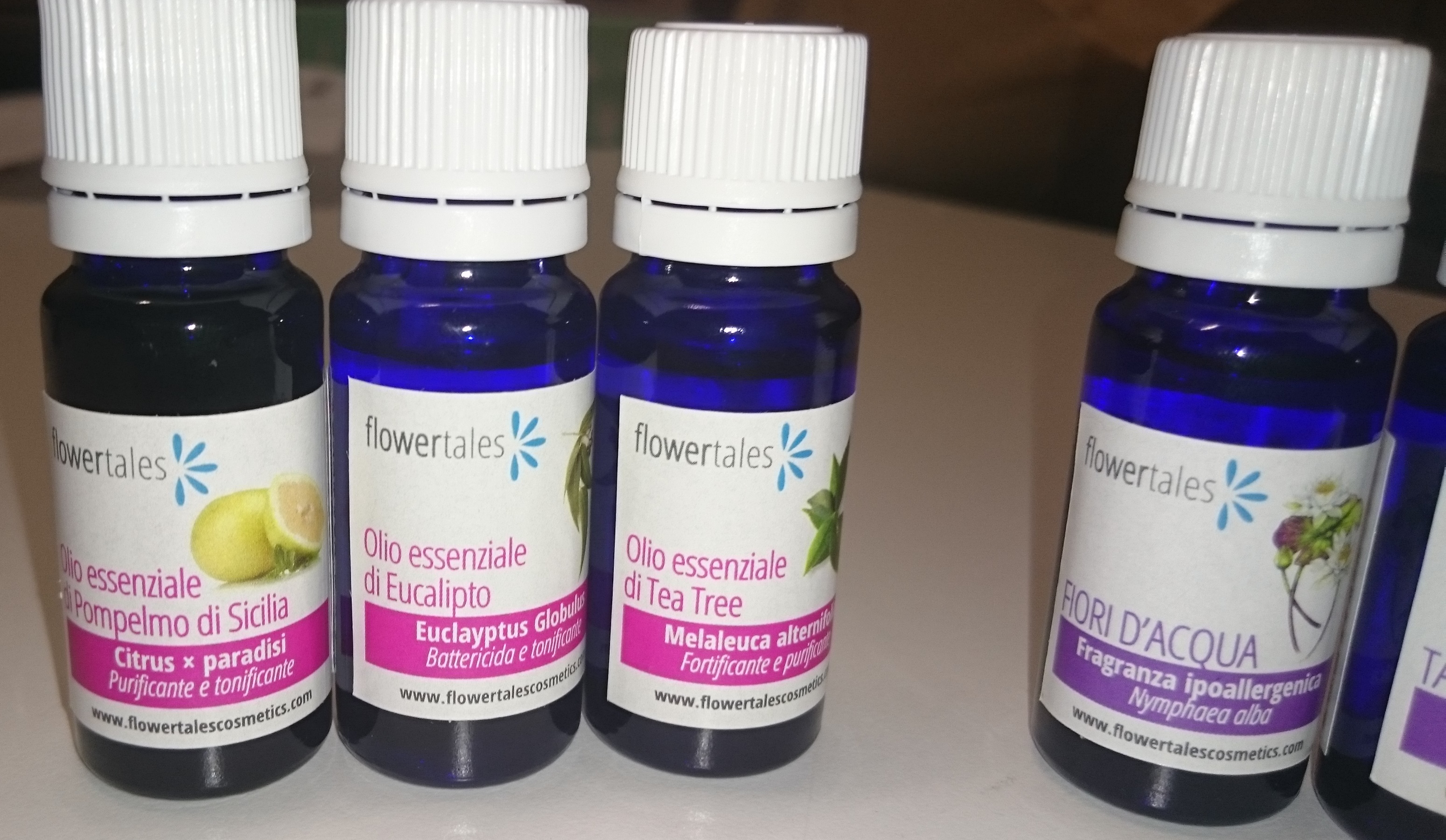
One genuine advantage of going natural is that you can make some products yourself, using recipes widely available online and in books. DIY skincare lets you control exactly what goes in and avoid additives you don't want. Organic fruits and vegetables are popular as simple, natural skincare ingredients, and certain essential and herbal oils are valued for their moisturizing and antiseptic properties. A few natural essential oils and basic ingredients can make effective, inexpensive treatments at home — just remember the same rule applies: patch-test homemade products, because natural ingredients can still irritate.
Watch out for greenwashing
Because "natural," "organic," and "clean" sell so well, the beauty industry uses them liberally — often more as marketing than as meaningful claims. A product splashed with leaves and earthy colors may contain barely any natural content, while an unglamorous-looking one may be excellent for your skin. Don't let packaging and buzzwords do your thinking. Flip the product over, read the ingredients, and judge by what's actually inside and how it performs, not by how "natural" the branding feels.
Patch-test everything, natural or not
The universal rule that protects your skin regardless of the natural-versus-synthetic debate: patch-test any new product before applying it widely. Put a small amount on your inner forearm or behind your ear, wait a day or two, and watch for any reaction. This simple habit catches the products — natural or synthetic — that your particular skin doesn't agree with, before they cause a full-face flare-up. Your skin's individual response is the only verdict that truly matters. It's worth doing even with products you've used happily before, since formulations change and your skin's needs shift over time. A minute of caution spares you days of dealing with a reaction.
What I'd skip
Skip assuming "natural" means safe — natural ingredients irritate and allergize too. Skip a dogmatic "natural only" stance that rules out effective synthetic solutions. Skip judging products by earthy packaging and buzzwords instead of the ingredient list. And skip applying anything new all over without patch-testing first.
The honest answer
Natural skincare isn't automatically better — and it isn't automatically worse. "100% natural" is rare, natural doesn't mean safe, and many effective ingredients are synthetic. Choose products by your skin type, your climate, and correct use rather than by origin, stay open to both natural and synthetic options, see through greenwashing, and patch-test everything. The best skincare product for you is simply the one that suits your skin and works — and that can come from a plant or a lab.
Ready to shop? Compare natural essential oils across stores →