Understanding the Sports Car Market: A Buyer's-Eye View
Walk into any sports car showroom and you are not just looking at cars, you are looking at the output of an industry constantly chasing what buyers want. Understanding why the lineup looks the way it does makes you a far sharper buyer.
The sports car segment has expanded and strengthened over the years, and it keeps doing so for reasons worth understanding before you spend your money. The manufacturers are not building cars at random; they are responding to what sells, and once you can read those signals you stop being a passive buyer and start being a smart one. Here is how I read the market when I am shopping, and how that reading has steered me toward better cars and away from expensive mistakes.
Why the segment keeps growing
Sports cars sell across a wide range of prices, and that range is the whole story. There are genuine sports cars accessible to ordinary buyers and halo cars that cost as much as a house. That spread is deliberate. The industry has learned that demand is driven by three things buyers reliably respond to: striking appearance, real safety engineering, and the technology and features packed into the cabin. A car that nails those three keeps selling year after year.
What this means for you is that the segment is not just for the wealthy anymore. The manufacturers know that, and there are real performance options at the affordable end if you know to look for them rather than assuming the whole category is out of reach.
Why the affordable roadster endures
If one car explains the modern sports car market, it is the small, affordable roadster. Models in this mold have been perennial best-sellers for decades because they got a simple formula right: lightweight, balanced, fun, and reachable on a normal budget. They prove you do not need enormous horsepower to have a genuine sports car experience; you need balance and the right size.

When I shop, this is my benchmark. A car that delivers joy without a brutal price or running costs is often a smarter buy than something faster and far more expensive that I will rarely use to its potential. The everyday usable sports car beats the garage queen for most people.
Value and performance are not the same number
The market is full of cars that look like bargains and cars that look expensive but deliver. A modestly priced model can feel like a giant from the driver's seat, punching well above its sticker, while a pricier car can underwhelm. The lesson is to judge cars on the driving experience and the value ratio, not on the badge or the headline number. Some of the best-regarded sports cars win precisely because they over-deliver relative to their price.
To compare fairly, I keep notes during test drives, ride quality, steering feel, how the engine builds power, and I bring a tire pressure gauge">tire pressure gauge to make sure each car I test is set up consistently, because a soft tire can ruin an otherwise great car's impression.
Shop around, always
Even though sports cars are sold everywhere at reasonable prices these days, that is exactly why you should shop around rather than buying the first one that catches your eye. Compare prices across dealers, compare features across models, and make sure the car you choose actually matches your wants and needs rather than just your first impulse.
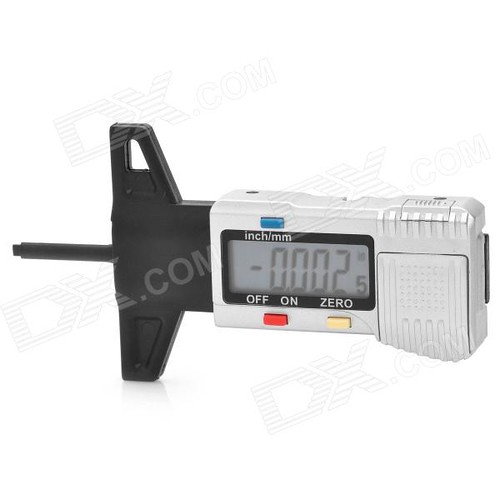
I do a lot of this homework before I ever set foot on a lot. Manufacturer sites, owner forums, and reviews tell me a model's common faults and real-world ownership costs. For a used car I bring an OBD2 scanner">OBD2 scanner to read hidden fault codes and a tire tread depth gauge">tire tread depth gauge to gauge how hard it has lived.

Factor in the cost of owning, not just buying
The industry will happily sell you the car and let the running costs surprise you later. Sports cars carry much higher insurance premiums than ordinary cars, sometimes dramatically so depending on make and model, and you need to know whether you are willing to pay that premium before you fall in love. The same goes for maintenance, tires, and fuel.
I build an ownership budget before I buy and stock the basics up front, a battery tender">battery tender for a car that sits between weekend drives, a set of decent all weather floor mats">all weather floor mats to protect the interior, and a cover for storage, so the true cost of ownership is something I chose with open eyes rather than something that ambushed me three months in.
The sports car industry is good at making you want things. Understanding why the market looks the way it does, why the affordable roadster endures, why value and performance diverge, why ownership costs matter, turns that wanting into a smart decision. Read the market like a buyer, not a dreamer, and you will end up in the right car for the right money.
Ready to shop? Compare tire tread depth gauge across stores →