Sports Car Engine Maintenance: Caring for What's Under the Hood
The engine is the most expensive part of any car to get wrong, and on a sports car that is doubly true. With the average new car now pushing well past twenty thousand dollars and a real sports car climbing far beyond that, the engine is the single component most worth protecting. So that is exactly where I focus my attention.
This is not about washing the car or rotating the tires. This is about what is happening under the hood, the internals that make a sports car a sports car, and how to keep them healthy.
Why the engine takes a beating
Sports cars are built for sporting performance, which is a polite way of saying higher revs, harder acceleration, sharper braking, and more heat than an ordinary engine ever sees. And let's be honest, a lot of us use that power even when we are nowhere near a track. All that performance asks more of the internals, so the maintenance has to keep pace. A powerful engine ignored is just an expensive problem waiting to happen.
Oil and lubrication come first
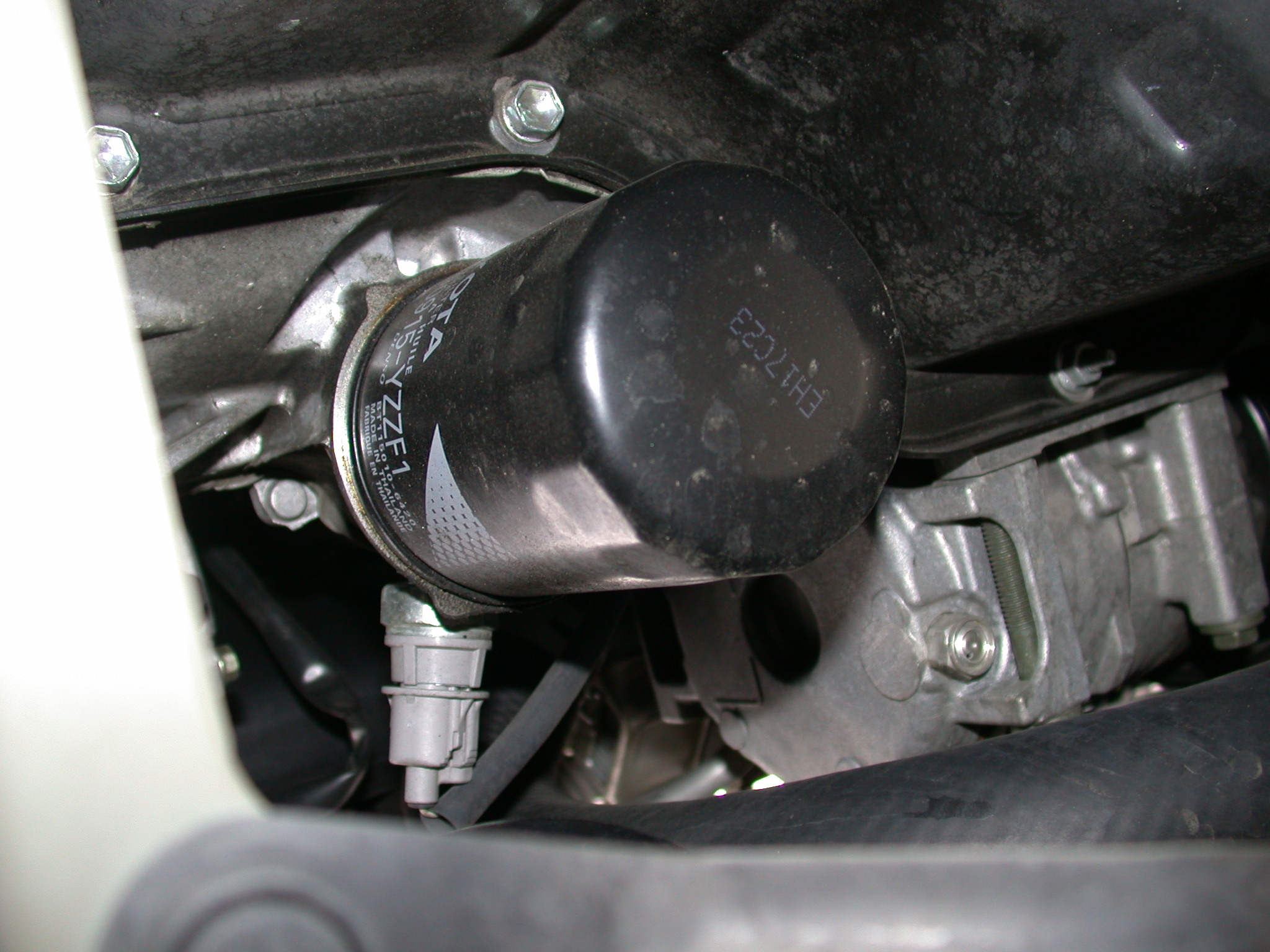
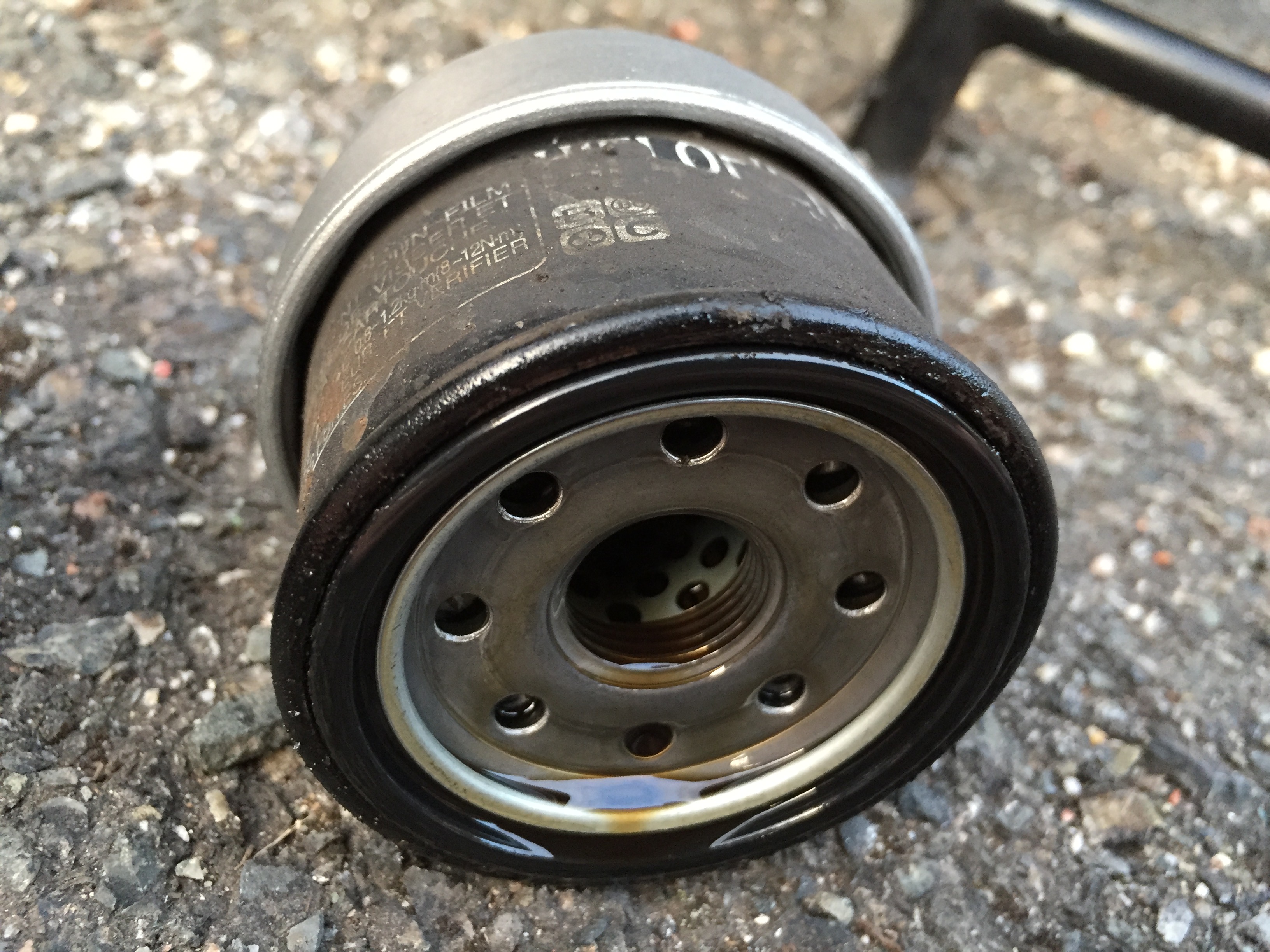
Even with average use, I check the engine roughly every three thousand miles, and the most important single act is changing the oil and oil filter on time. Clean oil is what keeps metal from grinding on metal at high RPM, and a tired filter lets contaminants circulate where they do the most harm. On a hard-driven engine I do not stretch this interval; the heat breaks oil down faster than gentle driving does.
I keep a engine oil filter">engine oil filter and the correct synthetic motor oil">synthetic motor oil on the shelf so I am never tempted to skip a change because I would have to make a trip first. A oil drain pan">oil drain pan makes doing it at home far less of a mess.
Check every fluid, not just the oil
Oil gets all the attention, but the engine depends on a whole set of fluids working together. I check brake fluid, coolant, and automatic transmission fluid where applicable, because each one keeps a different system healthy. Low coolant cooks an engine; old brake fluid fades under hard use; neglected transmission fluid wears the gearbox. A few minutes with the dipstick and the reservoirs tells me whether anything is being quietly consumed, which is itself an early warning.
Hunt for leaks, belts, and bad gaskets
Every so often I actually look into the engine compartment instead of just topping off fluids and closing the hood. Fresh fluid pooling or seeping usually means a broken or failing gasket, and finding it early is the difference between a small seal job and a major repair that involves splitting things apart. I also inspect the engine belts for cracks, fraying, or a glazed shiny surface that signals slipping. A belt that snaps at speed can take other components down with it, sometimes the whole cooling system, so taking belt wear for granted is a gamble I am not willing to make on an engine this expensive.
I also keep the air filter on my radar, because on a performance engine a clogged filter is quietly choking the very thing it was built to do. Swapping a tired engine air filter">engine air filter is one of the cheapest, fastest jobs there is, and a fresh one lets the engine breathe and run the way the factory intended.
Keep it cool and keep it clean
Heat is the enemy of any hard-driven engine, and a sports car generates plenty of it. I make a point of checking the coolant level and condition and keeping an eye on the temperature gauge during spirited driving, because an overheating event can warp components and end an engine's life in minutes. If the coolant looks rusty or muddy rather than clean, the cooling system is overdue for a flush.
I also keep a stocked toolkit close so none of this becomes a reason to procrastinate. A decent mechanic tool set">mechanic tool set means I can pop a belt cover, swap a filter, or check a fluid the moment I notice something, instead of waiting for an appointment and letting a small issue grow into a big one.
Spark plugs and the cost of ignoring them
Spark plugs are small and easy to forget, and they will quietly rob you of fuel efficiency and smooth power long before they fail outright. I stay wary of plugs that have gone past their recommended range, often around thirty thousand miles, and inspect them as a window into how the engine is actually running. Their color and wear tell a story a gauge never will.
Pulling and reading a plug only takes the right spark plug socket">spark plug socket and a few minutes, and a fresh set restores crispness you did not realize you had lost.
Write it down
Every engine maintenance check goes in a logbook, the date, the mileage, and what I did. When I cannot recall whether the last oil change was two months back or five, the book answers instantly, and it keeps me from doubling up or, worse, forgetting entirely. There is genuinely no substitute for regular, recorded engine maintenance. The engine is the heart of the car, and on a sports car it is the heart of the investment too. Look after it deliberately, and it will give the performance you paid for, year after year.
Ready to shop? Compare engine oil filter across stores →