
Simple Ways to Improve Your Car's Gas Mileage
Gas prices have climbed steadily for years, and everyone wants to spend less at the pump — especially as costs keep rising. One of the most effective ways to save is simply to improve your car's gas mileage, getting more distance from every gallon. The best part is that better fuel economy doesn't require a new car or expensive upgrades; it comes from a handful of simple maintenance habits and smarter driving. Stack them together and the savings add up significantly over a year. Here are the simple, proven ways to improve your car's gas mileage.
Keep your tires properly inflated
Underinflated tires are one of the biggest hidden drains on fuel economy. Soft tires create more rolling resistance, forcing the engine to work harder and burn more fuel, and they wear out faster too. Check your tire pressure regularly — at least monthly — and keep them inflated to the manufacturer's recommended level (found in your owner's manual or the door jamb sticker). A simple tire pressure gauge makes this a two-minute job, and a portable air compressor lets you top them up at home. Properly inflated tires are free fuel economy you're leaving on the table if you ignore them.
Stay on top of maintenance
A well-maintained engine runs efficiently; a neglected one wastes fuel. Keep up with regular maintenance: change the oil with the right grade on schedule, replace a dirty air filter (a clogged one chokes the engine and hurts economy), keep the spark plugs in good shape, and address any engine warning lights promptly, since a fault can quietly tank your mileage. A clean engine air filter is a cheap, easy swap that can noticeably improve efficiency. Treat maintenance as an investment that pays itself back in fuel savings, not just an expense.
Drive smoothly and moderately
How you drive has an enormous effect on fuel economy. Aggressive driving — hard acceleration and sudden braking — guzzles fuel, while smooth, gentle acceleration and gradual braking save a great deal. Anticipate traffic and coast toward stops rather than racing up and braking hard. Maintaining a steady speed, rather than constantly speeding up and slowing down, also helps significantly. Simply driving more calmly and smoothly is one of the most powerful (and free) ways to cut your fuel consumption, often saving more than any gadget.
Watch your speed
Fuel economy drops sharply at higher speeds because wind resistance increases dramatically the faster you go. Most cars are most efficient at moderate highway speeds, and pushing well beyond that burns far more fuel for little time saved. Easing off the accelerator on the highway and using cruise control to hold a steady, sensible speed can improve your mileage noticeably on longer trips. The difference between cruising at a moderate speed and pushing hard is real money over the miles.
Lighten the load and reduce drag
Your car works harder to move more weight and to push through the air, both of which cost fuel. Clear out unnecessary heavy items from the trunk and cabin — you don't need to haul around things you're not using. And remove roof racks, cargo boxes, or bike carriers when they're not in use, since they create significant aerodynamic drag that hurts economy, especially at highway speed. These small adjustments cost nothing and quietly improve your mileage every mile you drive.
Limit idling and air conditioning
Idling burns fuel while getting you nowhere, so avoid long idles — if you'll be stopped for more than a minute or two (outside of traffic), turning the engine off saves fuel. Air conditioning also draws on the engine and reduces economy, so use it judiciously; at lower speeds, opening the windows can be more efficient, though at high speeds the extra drag from open windows can outweigh the AC cost. Being mindful of both idling and AC use trims fuel waste without much sacrifice in comfort.
Plan trips and combine errands
How you plan your driving matters as much as how you drive. Combining several errands into one trip means your engine spends more time warmed up and efficient, rather than making multiple cold starts (which are less efficient and harder on the engine). Planning routes to avoid heavy traffic and unnecessary backtracking cuts the miles you drive in the first place. A little planning reduces both your fuel use and your time behind the wheel — the cheapest gallon is the one you never need to burn.
Track your mileage to see what works
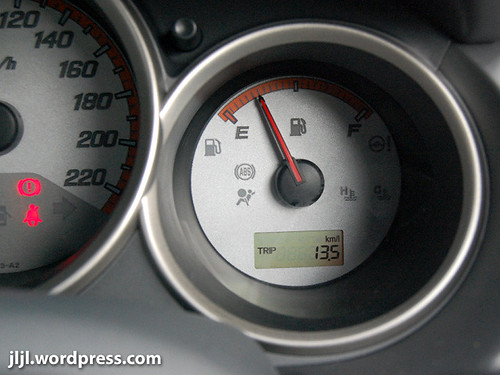
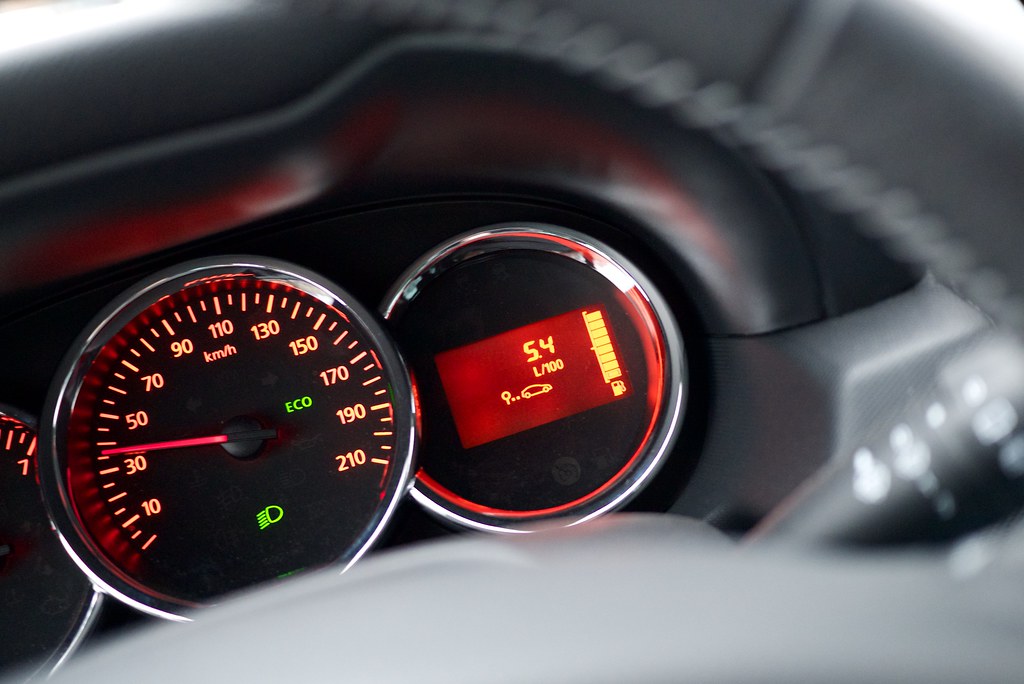
The best way to know which changes actually help is to measure your fuel economy, so you're improving based on real numbers rather than guesswork. Track it the simple way — note your odometer and the gallons at each fill-up and do the math — or let your car's trip computer or a car fuel economy gauge (an OBD plug-in) show your mileage in real time. Watching the numbers does two things: it reveals which habits genuinely move the needle for your car, and it gives you instant feedback that gently encourages smoother driving, since you can see the cost of a heavy foot as it happens. A sudden, unexplained drop in mileage is also an early warning of a maintenance issue — a failing sensor, dragging brakes, or low tires — so tracking it helps you catch problems before they get expensive. Measure, adjust, and let the data guide where your savings really come from.
What I'd skip
Skip driving on underinflated tires — it's a constant, invisible fuel drain. Skip aggressive acceleration and braking, which guzzle fuel; drive smoothly instead. Skip hauling unnecessary weight and leaving roof racks on when unused. And skip long idles and excessive high-speed driving, both of which waste fuel for little benefit.
The honest answer
You don't need a new car to spend less at the pump — better gas mileage comes from simple habits: keep your tires properly inflated, stay on top of maintenance, drive smoothly at moderate speeds, lighten the load and reduce drag, limit idling and AC use, and plan your trips to drive fewer miles. None of these cost much (most cost nothing), and stacked together they add up to real savings over a year. Small, consistent changes turn into noticeably lower fuel bills — and a smoother, less stressful drive too.
Ready to shop? Compare car fuel economy gauge across stores →