How To Save Gas In Your Sports Car Without Killing The Fun
A sports car will never sip fuel like a hybrid, but the gap between a well-driven one and a careless one is bigger than most owners realize, and it's all money you're leaving at the pump.
Performance engines drink, that's the deal you signed. But "drinks" doesn't have to mean "guzzles wastefully." With fuel prices doing what they do, the difference between good habits and bad ones can be ten, twenty, even thirty percent on your fuel bill. Here's how to claw that back without turning your fun car into a chore.
Maintenance is the cheapest fuel you'll ever buy
An engine in poor condition burns more fuel for the same work, full stop. Regular tune-ups keep everything running efficiently, and the payoff shows up at the pump every single fill. The clogged-air-filter problem is the classic example: a dirty filter chokes the engine, and cleaning or replacing it can improve fuel mileage by as much as ten percent. That's a cheap part doing real work.
Tire pressure is the other freebie most people ignore. Tires inflated to the correct pressure save fuel compared to ones that are under-inflated or over-inflated. Check them regularly with a tire pressure gauge">tire pressure gauge, and if you want it effortless, a small portable air compressor">portable air compressor in the trunk lets you top up anywhere. A obd2 scanner">OBD2 scanner is also worth keeping around to catch the engine faults that quietly wreck efficiency before they become warning lights.
Smooth driving beats hard driving for your wallet
The biggest variable is your right foot. Maintaining a steady speed is far cheaper than constant stopping and starting; frequent stops can add as much as thirty percent to your fuel use. Think about it in real money: at three dollars a gallon, that waste is nine dollars on every ten gallons, gone to nothing but jerky driving. Avoid abrupt acceleration and hard braking, anticipate traffic, and let the car flow.
On the highway, cruise control is your friend. Holding a constant speed avoids the small accelerations that quietly drain the tank. Pick routes that avoid heavy stop-and-go traffic when you can, and go easy on the clutch in a manual; riding it or working it unnecessarily costs you fuel and clutch life at the same time.
Aerodynamics and the air conditioner
At highway speed, close your windows. Open windows wreck the car's aerodynamics, adding drag that drinks fuel. A sports car's whole shape is designed to slice through air cleanly, and leaving the windows down undoes that work. Keep them up and let the body do its job.
The air conditioner is the counterintuitive part. It uses fuel, so minimize it when you don't truly need it and lean on the vents instead. When you do run it, set it as low as it needs to be and never run it with the windows open, which is the worst of both worlds, drag and compressor load together. On hot days a car sunshade">car sunshade keeps the cabin cooler while parked, so you're not blasting the AC just to make the car bearable.
Don't pay to carry dead weight or idle
Every pound you haul costs fuel. Clear out the junk that lives in the trunk and the cabin; the heavier the car, the more it drinks. Sports cars are light by design, so don't sabotage that with a trunk full of stuff you never use.
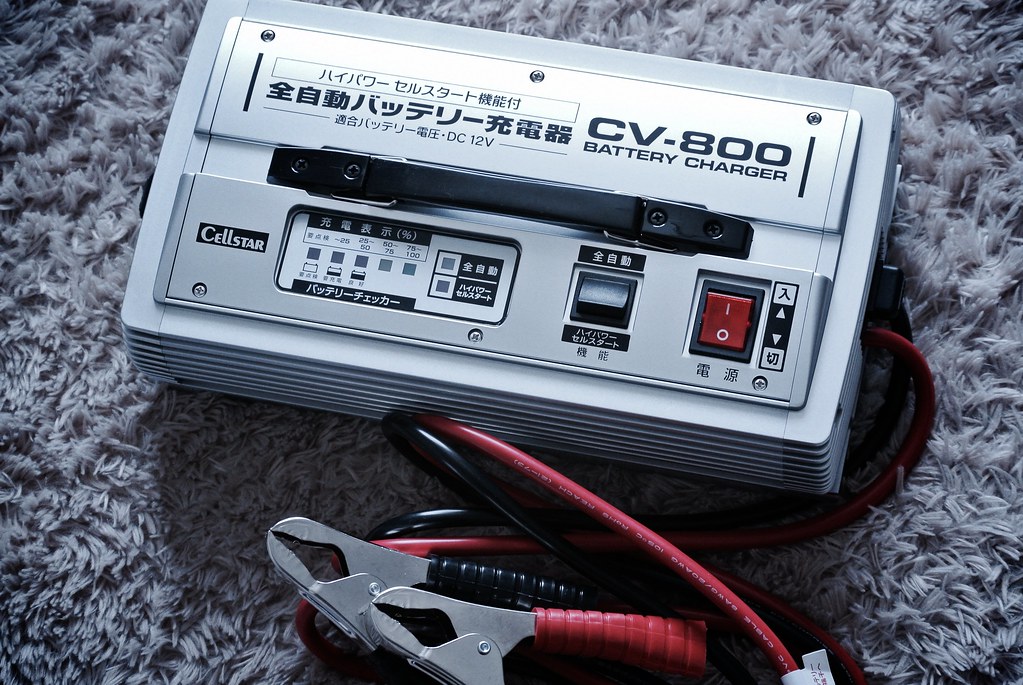
Idling is pure waste. If you'll be stopped for longer than a minute, shut the engine off. Beyond about a minute, idling burns more fuel than a restart would, so there's no reason to sit there feeding the engine for nothing. A healthy battery makes frequent restarts painless, so keep a car battery charger">car battery charger on hand if your car sits between drives.
A small timing trick
Buy fuel during the cooler parts of the day, early morning or late at night. Fuel is denser when it's cold, so you get a touch more for your money than you would in the heat of the afternoon. It's a marginal gain, but it's free, and marginal gains stack up over a year of fill-ups.
None of this asks you to stop enjoying the car. Drive it hard when you want the thrill, then drive it smart the rest of the time. Keep it maintained, keep the tires right, ease off the unnecessary AC and dead weight, and you'll find the fuel bill on a sports car is a lot more livable than the reputation suggests.
Ready to shop? Compare car battery charger across stores →