


Modern Sports Cars Worth Knowing: A Buyer's Field Guide

The sports car never stops reinventing itself. Every year the headlines chase more power, more downforce, and faster lap times, and every year a fresh crop of cars arrives to keep the enthusiasts hungry. Rather than memorise model names that date instantly, it's far more useful to understand the categories the modern market actually divides into, because those endure.
When I help someone shop, I never start with a specific car. I start with which of these archetypes matches their life, their budget, and their appetite. Get the category right and the shortlist of actual cars becomes obvious. Get it wrong and you'll buy something brilliant that you slowly come to resent.
The affordable roadster: the gateway drug
At the accessible end sits the lightweight, two-seat roadster, and it remains one of the purest joys in motoring. These cars don't win bragging contests on horsepower; they win on balance, low weight, and the open-air sensation of revving a small engine right out to its limit. Precise steering and willing handling matter far more here than raw output.
This is the category I push most newcomers toward. It's affordable to buy and run, forgiving to drive hard, and it delivers ninety percent of the sports car thrill at a fraction of the cost and stress. You'll have more genuine fun at legal speeds in one of these than in something three times the price. A simple car cover keeps a soft-top honest through winter, which is money well spent.
The everyday performance coupe
One rung up you'll find the coupe that's quick enough to thrill but civilised enough to live with daily. These cars blend genuine pace with usable interiors, decent refinement, and the kind of reliability that lets you commute in them without a second thought. Modern turbocharged and direct-injection engines have made this category remarkably efficient for the performance on offer.
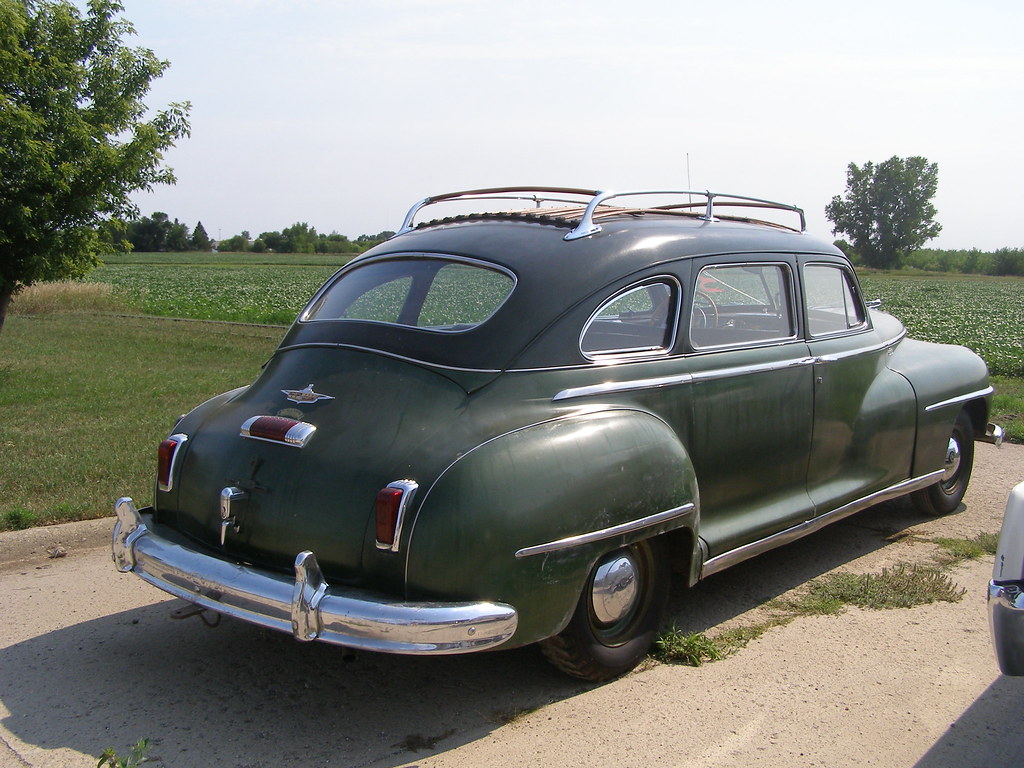
This is the sensible enthusiast's sweet spot. You get real speed, a car that doesn't punish you in traffic, and tech like advanced braking and traction systems that keep the experience safe. If you can only own one car and it has to do everything, this is the category that asks the fewest compromises of you.
The grand tourer: speed with civility
The grand tourer is the sports car that grew up. These are larger, more luxurious, and built to cover huge distances at high speed in total comfort, marrying a powerful engine to an interior you'd happily spend six hours in. Elegance and performance share equal billing rather than one being sacrificed for the other.
It's a category for a particular buyer: someone who wants to arrive fast and fresh, who values the cabin as much as the chassis, and who has the budget to indulge both. A grand tourer won't dart down a back road like a lightweight roadster, but it'll demolish a continent in a way the roadster never could. A good set of car floor mats and a quality trickle charger are worthwhile for a car this expensive that may sit between long trips.
The supercar: the dream made real
At the top sits the supercar, where exotic engines, full aluminium or carbon construction, race-derived braking, and aggressive aerodynamics combine into machines that exist to astonish. Mid-engine layouts dominate here for the balance they bring, and the performance figures read like science fiction.
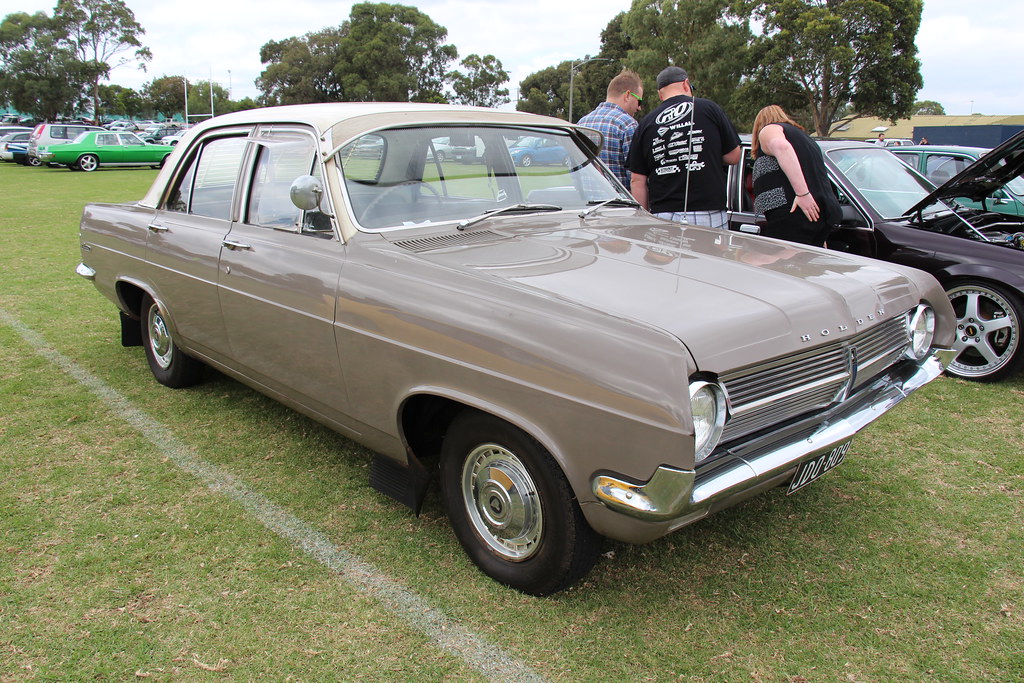
These cars are uncompromising by design. Luggage space is an afterthought, ride comfort is secondary, and the running costs are eye-watering. But that's not the point. The supercar is bought because it's the frontier of what's possible, the moving combination of engineering and art that every other category quietly takes inspiration from. Owners learn to keep a paint protection film kit and a soft car detailing brush close, because the bodywork is part of the investment.
How to choose your archetype
Be ruthlessly honest about your real life. If you drive mostly back roads at sane speeds, the affordable roadster will out-fun cars costing far more. If it's your only car, the everyday coupe asks the fewest sacrifices. If you cover big miles in comfort, the grand tourer is built for exactly that. And if you simply want the dream and can carry the cost, the supercar is waiting.
The mistake I see again and again is buying up the ladder out of ego rather than need, then discovering the car doesn't fit the life. Pick the category that matches how you'll actually drive, not how you imagine you will, and the specific model almost chooses itself. That's how you end up loving the car a year later instead of quietly selling it.
Ready to shop? Compare car floor mats across stores →


