How to Buy a Cheap Sports Car Without Buying a Lemon
People assume a sports car means a five-figure outlay minimum, and a lot of the time they're right. But not always. I've watched enthusiasts land genuinely fun, characterful sports cars for surprisingly little — and I've watched others save a fortune on the purchase and then pour it all back into repairs. Buying a cheap sports car is absolutely doable, but it's a skill: it's about knowing where to look and how to avoid the traps. Here's the playbook.
The mindset to start with is that quality, not price, is what you're really shopping for. A cheap car that's mechanically sound is a bargain; a cheap car hiding expensive problems is the most costly thing you can buy. Every route below can get you a good deal, but each has its own way of going wrong. The discipline is to chase value, walk away from anything that smells off, and never let a low sticker price override your judgment.
Auctions: real bargains, real risk
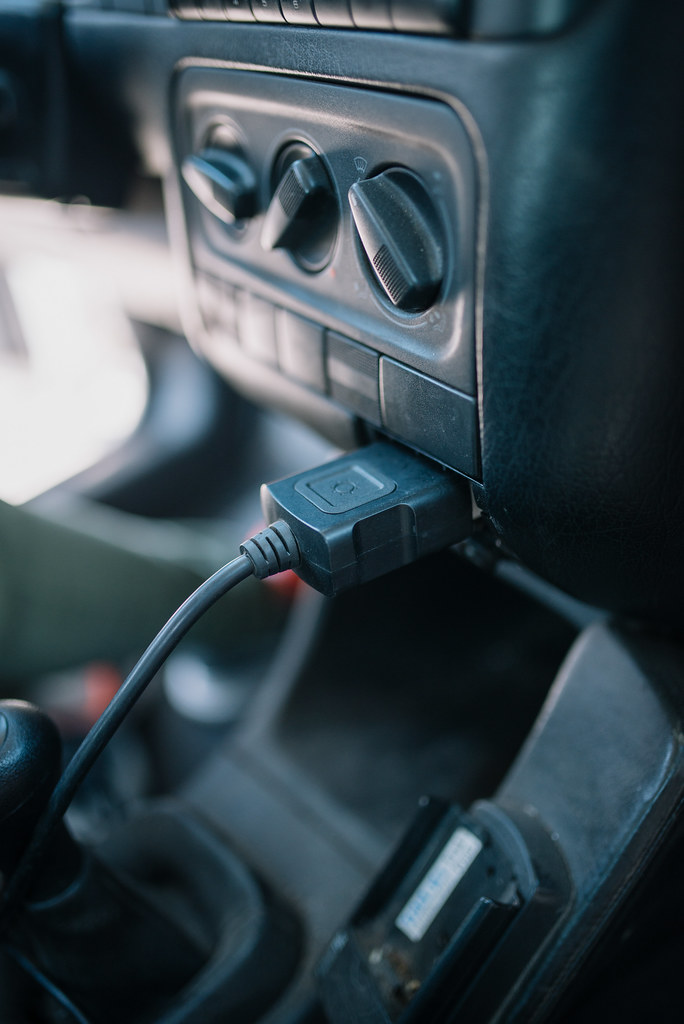
Local auctions can turn up genuinely good sports cars at low prices, and they're worth exploring if you're prepared. But the auction floor isn't for the faint-hearted — it's fast, high-pressure, and unforgiving. The big catch is that you usually can't test drive; you buy the car as-is, with no comeback. My advice is to attend a few auctions purely to watch before you ever bid, set a hard maximum and stick to it no matter how the room heats up, and inspect everything you're allowed to inspect beforehand. Bring a obd2 scanner if codes can be read and a flashlight to check underneath. Auctions reward the prepared and punish the impulsive.

Private sellers: motivated deals, no safety net
Some of the best prices come from private sellers, especially people who need quick cash and are motivated to sell. You'll often pay less than a dealer would charge for the same car. The trade-off is that once the deal is done, you're entirely on your own — no warranty, no recourse, no one to complain to if something breaks the next week. That makes inspection everything. Take your time, check the body, engine, interior, and paperwork thoroughly, and get a trusted mechanic to look it over before you commit. The savings are real, but only if the car is sound. A motivated seller is an opportunity; a rushed buyer is a victim.
Auto exchange centers and online marketplaces
Car exchange centers and the big online marketplaces can offer good cars at reasonable prices, and they advertise heavily online, so a bit of research surfaces plenty of options. Remember that the market for cheaper sports cars is a buyer's market — there are more sellers than eager buyers, which means you hold the cards when negotiating. Don't accept the first price; the room to haggle is usually larger than sellers let on. Cross-reference asking prices against what similar cars actually sell for so you know a genuine deal from a hopeful one.
The overlooked models nobody's chasing
This is my favorite route. Trends in demand mean some genuinely good sports cars get overlooked and sell cheaply simply because they're not currently fashionable. Models from marques like Jaguar, Austin-Healey, and others sometimes sit unwanted at attractive prices while the crowd chases whatever's hot. For a value-focused buyer, that's gold — you get a real sports car for less precisely because the market isn't fighting you for it. Do your homework on which models are reliable and well-supported for parts, and you can land something special that everyone else walked past. Unfashionable today often means appreciating tomorrow, too.
Buy cheap, then keep it cheap to run
A low purchase price only stays a bargain if the car doesn't bleed you afterward, so factor running costs into the decision. Before buying, research insurance, fuel, parts availability, and the model's reputation for reliability — a cheap car that's expensive to maintain isn't cheap at all. Once it's yours, doing your own basic upkeep keeps costs down: a mechanics tool set and a model-specific car repair manual let you handle the small jobs yourself, and a car maintenance kit of fluids and filters covers routine servicing for a fraction of shop prices. Protect what you bought with a car cover and keep up with maintenance, and a cheap sports car can deliver the same thrill as one that cost three times as much. Luxury and low cost aren't opposites — with patience and care, you can have both.
Ready to shop? Compare car repair manual across stores →